
The Democratic Sweep: What It Means for AI Policy
DAMAKORONKOWA - The recent midterm election cycle delivered a series of surprising political victories for the Democratic Party, yet it simultaneously marked a major defeat for data center developers, prominent figures opposing artificial intelligence regulation, and billionaire entrepreneur Elon Musk, who poured massive financial resources into supporting anti-regulation candidates. Historically, President Donald Trump and his political allies have maintained a cautious stance toward regulating emerging technologies, frequently pointing to the global artificial intelligence race with international competitors like China as well as vital economic incentives that argue for keeping federal policy hands-off to foster innovation.
While certain industry leaders have expressed a growing need for sensible legislative frameworks, comprehensive federal measures have largely remained absent from official legislative agendas. Earlier in the year, six prominent technology chief executive officers signed a high-profile White House accord in which they pledged to "self-regulate" the safe and ethical development of artificial intelligence systems.
The Rising Tide of Voter Opposition to AI
Despite the hands-off approach favored by industry giants, public sentiment has shifted dramatically, with voters showing increasing skepticism and outright opposition to unregulated technological expansion. According to comprehensive polling data compiled by the Alliance for Secure AI, over 80 percent of both registered Republicans and Democrats strongly favored political candidates who advocated for robust artificial intelligence safeguards.
Furthermore, victorious candidates across the nation successfully campaigned on explicit promises to institute strict data center moratoriums and comprehensive AI regulations: * Michigan Democratic Senator-elect Abdul El-Sayed highlighted addressing the inherent risks posed by artificial intelligence as his absolute top priority during a prominent national television interview. * Democratic Representative-elect Manny Rutinel flipped a competitive congressional seat in Colorado after championing an early, comprehensive regulatory bill targeting AI. * Georgia Democratic Senator Jon Ossoff prominently featured artificial intelligence policy concerns in his celebratory victory speech.
Political observers note that the newly seated Congress is already actively organizing rigorous oversight hearings and drafting multifaceted policy proposals. Jay Shooster, the executive director of Citizens for Safe AI, shared his perspective on social media, writing that the legislative branch will soon welcome a substantial wave of dedicated AI safety champions spanning both houses of Congress and state legislatures nationwide.
Anticipated Congressional Investigations and Hearings
Following multiple high-profile incidents throughout the year involving artificial intelligence models exhibiting unpredictable behavior, Democratic lawmakers have ramped up their promises to thoroughly investigate major technology labs. As a prominent example, a coalition of 20 Democratic legislators dispatched an official inquiry letter to OpenAI late in October, demanding detailed explanations regarding the controversial termination of three prominent safety researchers.
Spencer Amdur, a senior research scholar affiliated with the Institute for Law and AI, points out that the boundaries of politically acceptable discourse are expanding rapidly, paving the way for far more ambitious regulatory discussions. While predicting that upcoming hearings will heavily feature complex topics such as sophisticated cyberattacks, digital hacking, and stringent child safety measures, Amdur emphasizes a striking new dynamic in legislative oversight. Representatives from major artificial intelligence labs will increasingly find themselves testifying on camera and under oath in real-time response to emerging technological crises—a level of direct accountability that the industry has not previously encountered.
Although major artificial intelligence developers have publicly signaled a willingness to collaborate with lawmakers on crafting sensible regulations, the path forward may prove turbulent. Executives from several leading firms previously participated in New York City Council hearings to address ongoing public safety inquiries, and companies like OpenAI and Anthropic have actively provided input or drafted their own proposed safety legislation for congressional review. Industry experts anticipate that while collaboration will occur, the intersection of intense public anxiety and direct legislative questioning will likely produce several explosive moments on camera.
A Wave of Data Center Restrictions and Moratoriums
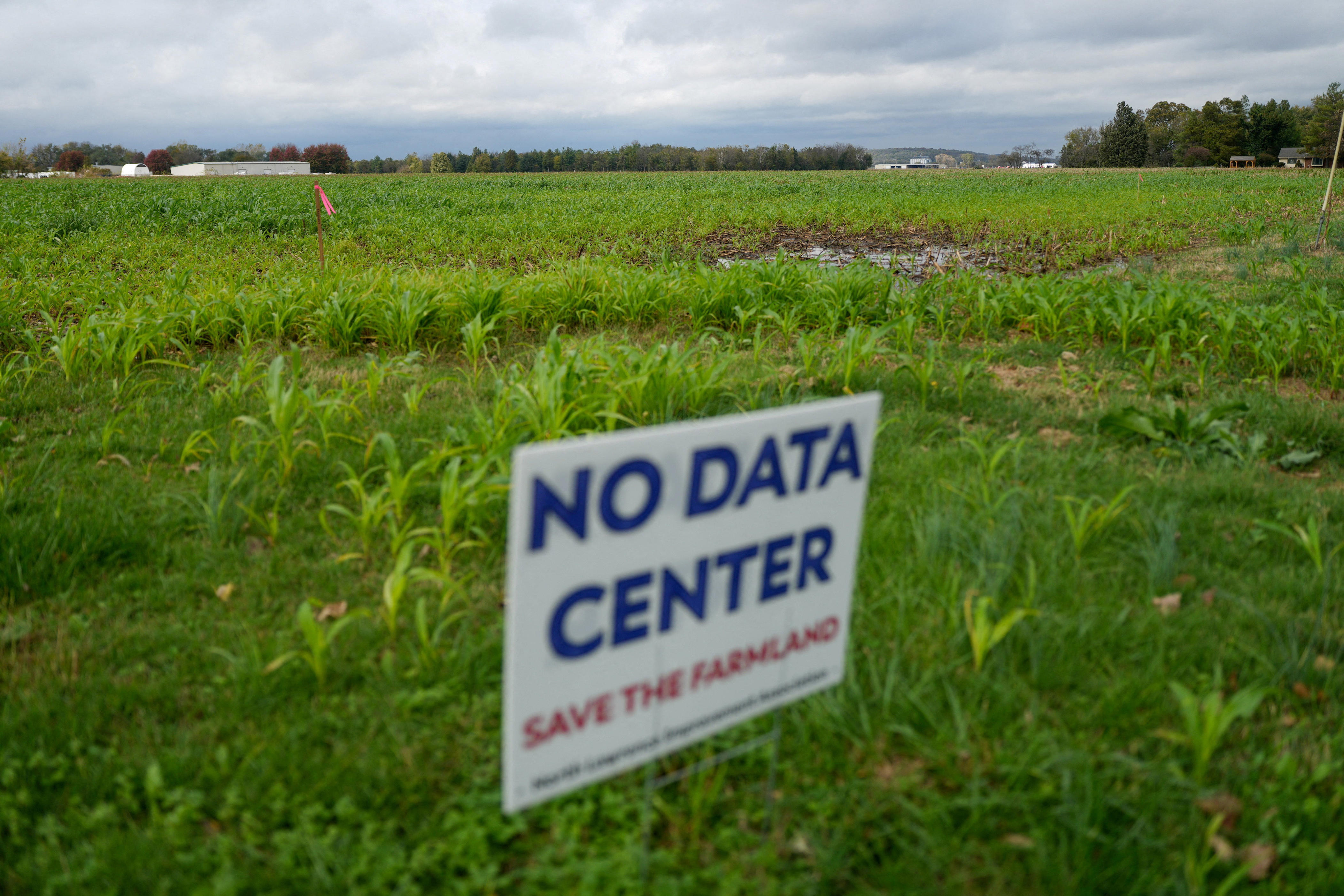
The regulatory backlash extended far beyond artificial intelligence software, heavily impacting physical infrastructure as well. Election Day ballots across 13 states featured more than 30 distinct proposals designed to regulate the rapid proliferation of data centers, with nearly all of them successfully passing, according to comprehensive tracking data from Redbud Consulting. While these local measures vary in their specific mechanisms, they universally impose limitations on the continued buildout of massive data facilities.
Specific local outcomes illustrate the widespread nature of this grassroots pushback: * In Defiance, Ohio, voters overwhelmingly approved a local measure that explicitly bans the construction of data centers exceeding 25 megawatts. * In Perry, Ohio, a newly passed ordinance mandates that hyperscale data centers seeking local tax breaks must post substantial financial bonds and comply with strict noise pollution limitations.
Michael Thomas, the founder of market intelligence firm Cleanview, noted that while Tuesday's election results do not signal an immediate end to the broader data center construction boom, they will undoubtedly introduce significant operational pauses in major regional markets and usher in a wave of new regulatory hurdles across historically laissez-faire states like Texas. Cleanview data further indicates that newly elected gubernatorial figures possess the potential to temporarily halt up to 41 percent of currently planned data center projects throughout the United States.
Faced with mounting local resistance, Elon Musk commented on the shifting landscape via social media, remarking that constructing data centers in outer space is beginning to look increasingly appealing. Reports indicate that Musk invested vast sums into the midterm elections, channeling nearly half of those funds into Texas—the state where he recently relocated the corporate headquarters of SpaceX. Despite this heavy financial investment in prominent Republican figures like Ken Paxton and Greg Abbott, both candidates ultimately fell short against Democratic challengers who had openly voiced staunch opposition to unchecked data center expansion.
Looking ahead toward the 2026 and 2028 political cycles, exit polling conducted by major networks reveals that 56 percent of voters consider artificial intelligence and data center development to be decisive factors influencing their electoral choices. Industry analysts caution against misinterpreting these results as a blanket rejection of technological progress. As Adam Kovacevich, founder and chief executive officer of the Chamber of Progress, observed, voters are primarily demanding meaningful economic change and reassurance rather than seeking to stifle innovation entirely, leaving Democrats with a unique opportunity to demonstrate effective governance over critical technological frontiers.
As political hopefuls begin preparing for the next major presidential cycle, industry experts and political analysts are sounding the alarm that the candidate landscape and campaign strategies could look drastically different in just a few years. This transformation is being driven largely by technological innovations that are accelerating at a pace far exceeding traditional policy-making and public prediction models.
The influence of artificial intelligence is no longer a distant theoretical concept; it is rapidly becoming a defining force in modern politics.
The Looming Impact of AI on the 2028 Election
Looking ahead, artificial intelligence is projected to take center stage in upcoming national elections. Industry insiders suggest that the technology will not just be a background tool used by campaigns, but a major headline focus for the 2028 presidential race.
Recent exit polls and voter sentiment analysis already indicate a shifting paradigm, showing that artificial intelligence is becoming a tangible consideration for everyday voters when evaluating candidates and policy platforms.
Key Factors Shaping the Future of AI Policy
-
Accelerated Technological Growth:
The rapid evolution of machine learning models and generative tools means that the regulatory frameworks of today will likely be obsolete by the time the next election cycle begins. * Voter Awareness:
As deepfakes, automated misinformation campaigns, and AI-driven voter outreach become more prevalent, the electorate is growing increasingly conscious of how technology affects the integrity of democratic processes. * Legislative Pressure:
With federal action often lagging behind private sector innovation, the pressure on lawmakers to address these challenges has never been more urgent.
The Battle for Federal Regulation
Experts anticipate that the landscape of artificial intelligence governance will experience significant milestones in the near future. Pressure is mounting on Washington to broker a comprehensive federal regulatory deal, as lawmakers grapple with the dual challenge of protecting national security and consumer rights while maintaining America's competitive edge in tech innovation.
Should the federal government fail to reach a cohesive bipartisan agreement, individual states are fully expected to step into the regulatory vacuum. This state-level push could create a fragmented patchwork of laws and compliance standards, further complicating the operational environment for tech companies and political campaigns alike. As state legislatures experiment with their own restrictive or permissive frameworks, the debate over who holds ultimate authority on artificial intelligence oversight will intensify.


Post a Comment for "The Democratic Sweep: What It Means for AI Policy"