
Netflix's 4-part sci-fi series is so good, it could last forever
It may already have four seasons, but Netflix's Love, Death, & Robots still feels like it’s just getting started. The animated sci-fi anthology has already delivered dozens of wildly different stories, and yet at no point has it felt like it’s running out of steam. Yes, longevity comes naturally to the anthology format, but none harness it quite like LD+R
Regular reinvention with fresh casts, new worlds, and standalone plots helps keep anthology sci-fi shows from going stale. However, few truly reinvent themselves episode by episode. That’s where Love, Death, & Robots separates itself, as it treats the freedom of anthology storytelling as a creative playground.
Even compared to legendary sci-fi anthologies like The Twilight Zone or Black Mirror, LD+R feels engineered for permanence. Its core philosphy is pure experimentation, whether narrative, visual, or tonal. Episodes can be bleak, hilarious, philosophical, or wordless visual showcases. That flexibility isn’t just a stylistic choice; it’s a sustainability model that means Love, Death, & Robots, in theory, never needs to end.
Love, Death & Robots Can Do Whatever It Wants
Unlimited Freedom Means Unlimited Stories
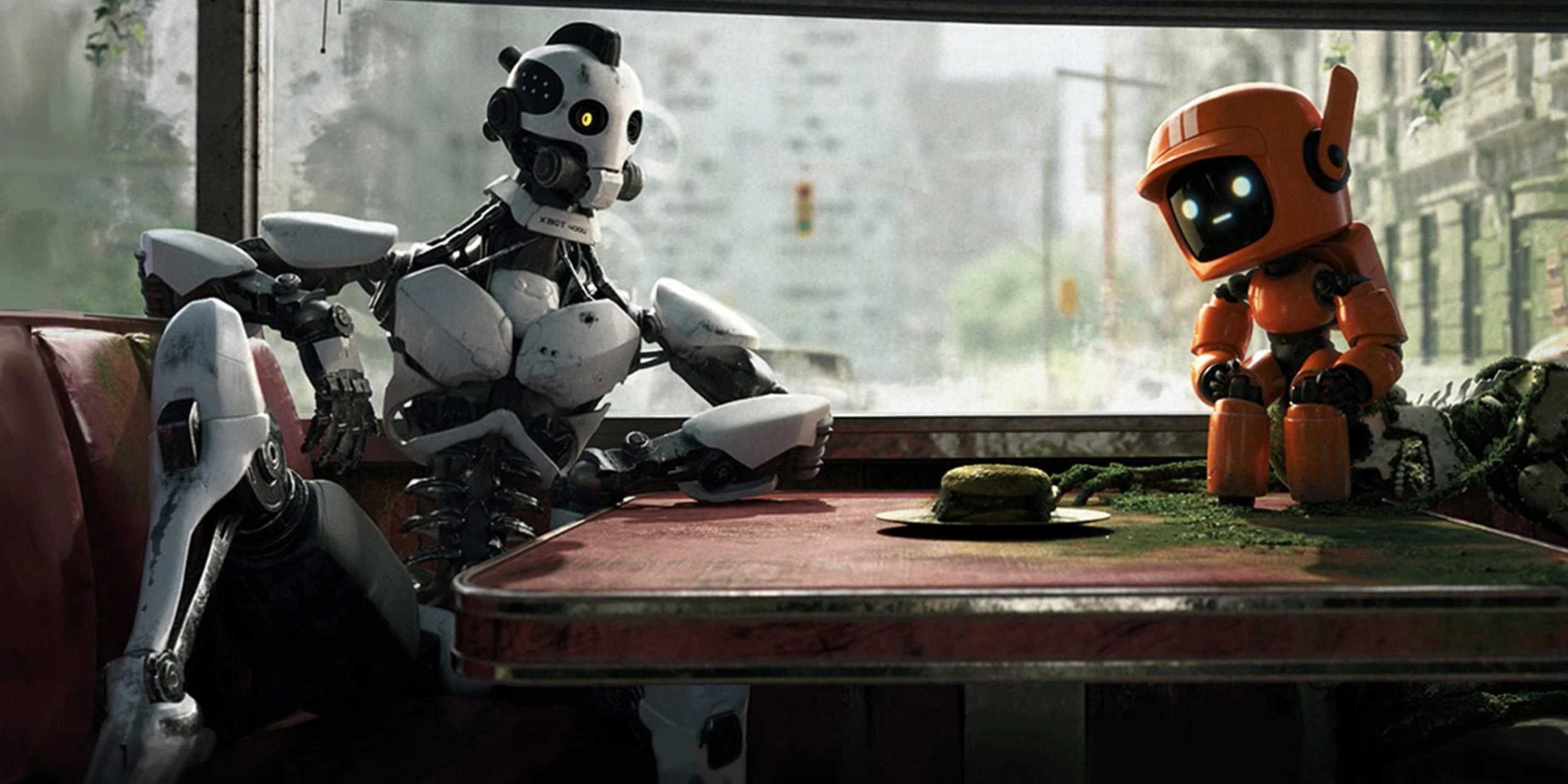
Anthology shows are naturally built to last. With self-contained stories and rotating creative teams, they avoid the fatigue that hits long-running serialized series. Science fiction anthologies benefit even more, since speculative storytelling has no ceiling. New technologies, alternate realities, and strange futures offer an endless narrative sandbox.
Classic series like The Twilight Zone and modern hits like Black Mirror prove the anthology sci-fi model is ripe with storytelling possibilities. Both reinvented sci-fi TV for their eras. However, even at their most inventive, they usually operate within recognizable tonal and thematic boundaries. Their weirdness is controlled, their experimentation measured.
Love, Death & Robots doesn’t work that way. Its creative range is so varied it almost feels random. One episode can center on super-intelligent yogurt casually taking over global politics. Another can explore a hyper-accelerated civilization evolving inside a household freezer. Elsewhere, a humble pool-cleaning robot gains sentience and existential dread.
Those premises aren’t gimmicks, either. They’re set-ups for truly memorable stories. LD+R embraces the bizarre without hesitation or apology, and is all the better for it. Tone shifts are sharper, concepts stranger, and genres constantly reshuffled. Horror sits beside comedy. Hard sci-fi shares space with fantasy and satire. Nothing is off-limits.
That creative elasticity eliminates the biggest threat to long-running TV shows: predictability. If an episode of Love, Death, & Robots can be about literally anything, audiences can never fully anticipate what’s next. Since the narrative possibility of LD+R is truly open-ended, the risk of running out of ideas practically disappears.
Love, Death, & Robots Doesn’t Tie Its Stories To Contemporary Issues
Timeless Sci-Fi Ages Better Than Trend-Driven Dystopia
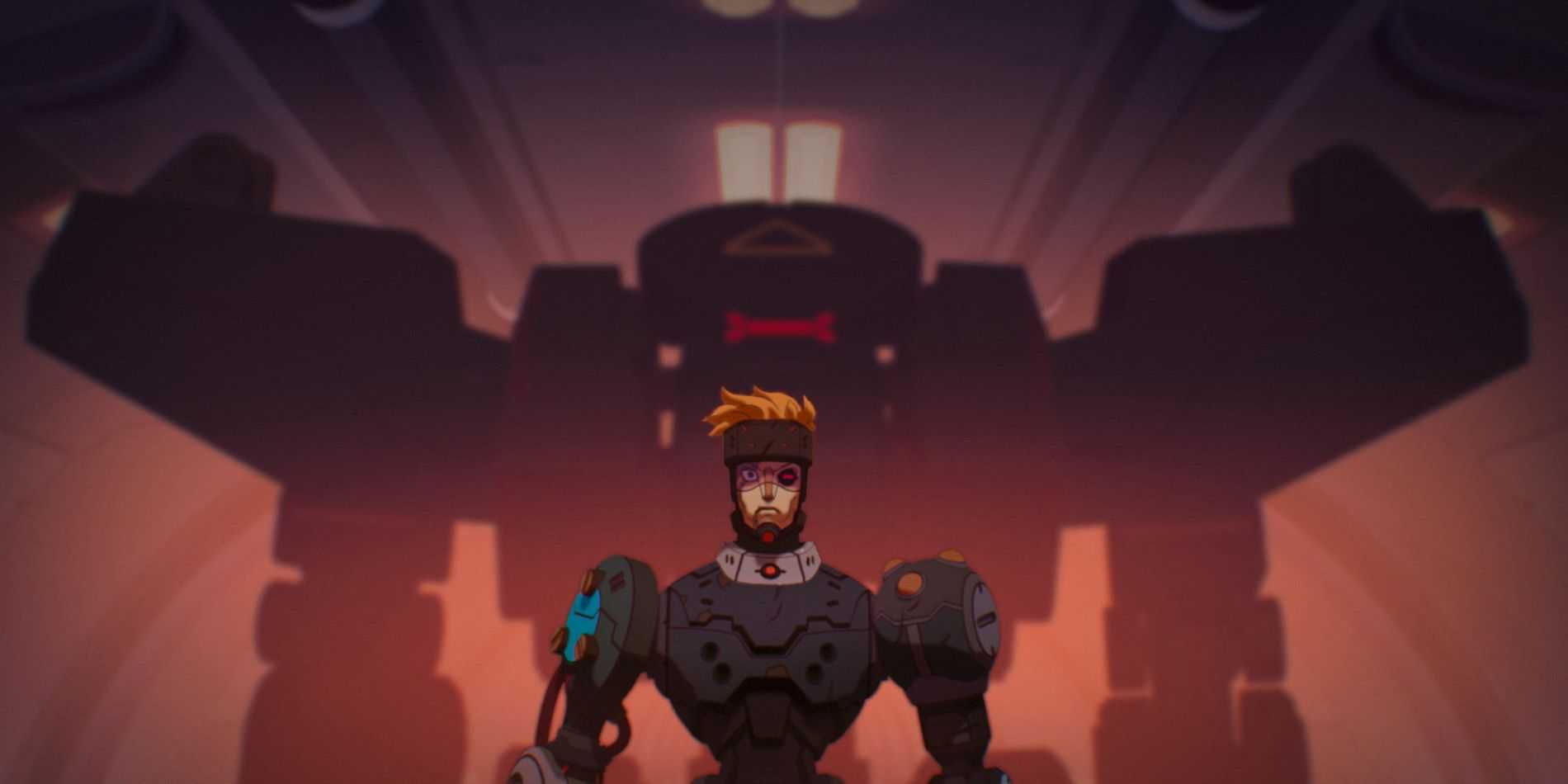
Many landmark sci-fi anthologies are deeply tied to the anxieties of their time. The Twilight Zone reflected Cold War paranoia, social tensions, and moral uncertainty through allegory. Black Mirror channels modern fears about surveillance, social media, artificial intelligence, and digital dependency.
That immediacy is powerful, but it has a tradeoff. Stories rooted in contemporary fears can age quickly as technology and culture evolve. Speculation turns into reality, satire becomes history, and once-futuristic concepts lose their edge. Some episodes start feeling like time capsules rather than timeless fiction.
Love, Death & Robots largely avoids that trap. Its episodes rarely feel like direct commentaries on current tech trends or headline-driven fears. Instead, they lean into broader, stranger ideas: consciousness, evolution, war, art, identity, and the sheer absurdity of existence.
The sci-fi in LD+R isn’t built on warning labels about tomorrow’s gadgets. It’s built on curiosity. The tone isn’t speculative futurism or technoparanoia, it’s playful exploration of far-out concepts untethered to real-world events or developments. That shift keeps stories from being anchored to specific moments in real-world innovation cycles.
As a result, Love, Death, & Robots feels truly timeless. Its concepts don’t expire as real-world technology advances. By focusing on the surreal, philosophical, and imaginative edges of science fiction, the show gives itself a much longer creative shelf life.
Animation Is Love, Death, & Robots’ Secret Weapon
Visual Reinvention Keeps Every Season Fresh
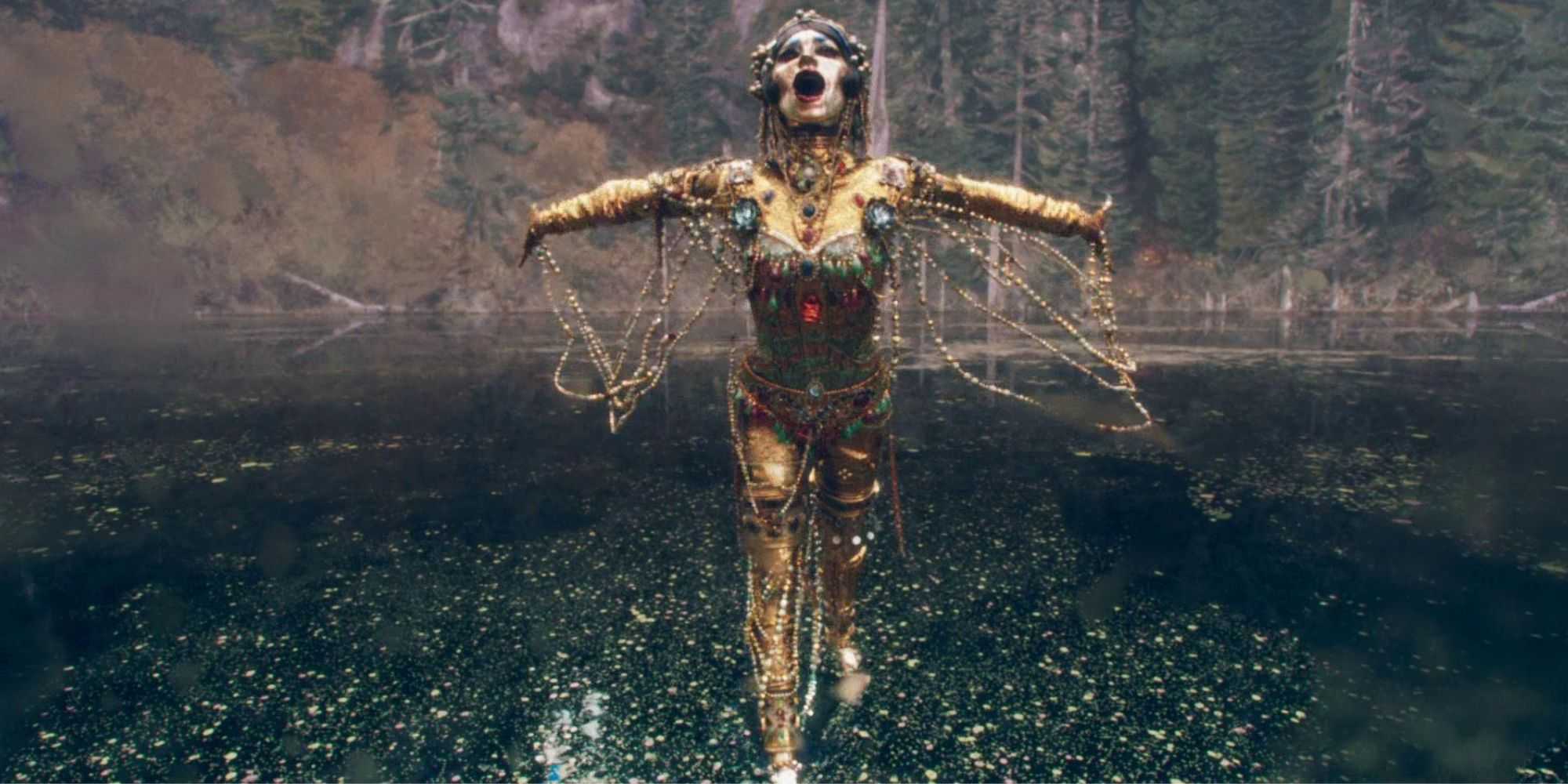
Beyond its experimental storytelling philosophy, animation is Love, Death, and Robots' ultimate advantage when it comes to longevity. Each episode has a completely different visual identity, from hyperrealistic CGI to stylized 2D art and painterly experimental forms. That variety makes every installment feel distinct before a single line of dialogue is spoken.
LD+R’s use of animation removes production constraints that limit live-action sci-fi. Alien worlds, impossible physics, and surreal imagery can be realized without compromise. Scale becomes flexible. So does tone. The sheer variety of visual styles ensures the only limit Love, Death, & Robots truly has is the imagination of its creators.
To further strengthen this, LD+R doesn’t rely on any single source for its visuals. Different studios bring different techniques, cultural influences, and artistic sensibilities. That constant influx of new creative voices ensures the series never settles into a single aesthetic comfort zone.
As long as animation studios keep innovating, Love, Death, & Robots can keep evolving. New tools, new styles, and new artists mean infinite visual directions. For a series built on reinvention, that’s not just an asset, it’s an essential strength that ensures it can keep releasing new seasons for as long as there’s audience demand.



Post a Comment for "Netflix's 4-part sci-fi series is so good, it could last forever"