
Local only smart home products might be great for privacy but there's also this hidden benefit
A $20 Wi-Fi camera looks like an absolute bargain until you realize you're paying $120 a year just to see the recordings. This is the cheap cloud trap. Local-only products aren't just great for privacy, but they are a one-time investment that protects your wallet from the subscription creep.
By cutting the cloud cord, you eliminate monthly fees, buy hardware that lasts a decade rather than three years, and often get better specs for less money. It feels like recently the smart home market has been split into two; cloud-based products which typically require subscriptions and then local products in which owners have sovereignty. While privacy is the noble reason to choose local-only gear, there's a hidden financial benefit as local control is the only way to escape the infinite upsell as well as subscription fatigue.
The perks of local
There are a range of benefits
Most cloud-based smart home products will slap a subscription fee for pro features. Whether that's security devices charging for person detection or a 30-day history, or lighting brands charging for motion detection. These subscriptions can easily fall somewhere between $3 and $10 per month. These subscription fees can easily add up to hundreds of dollars over the years, particularly if you're subscribed to multiple providers.
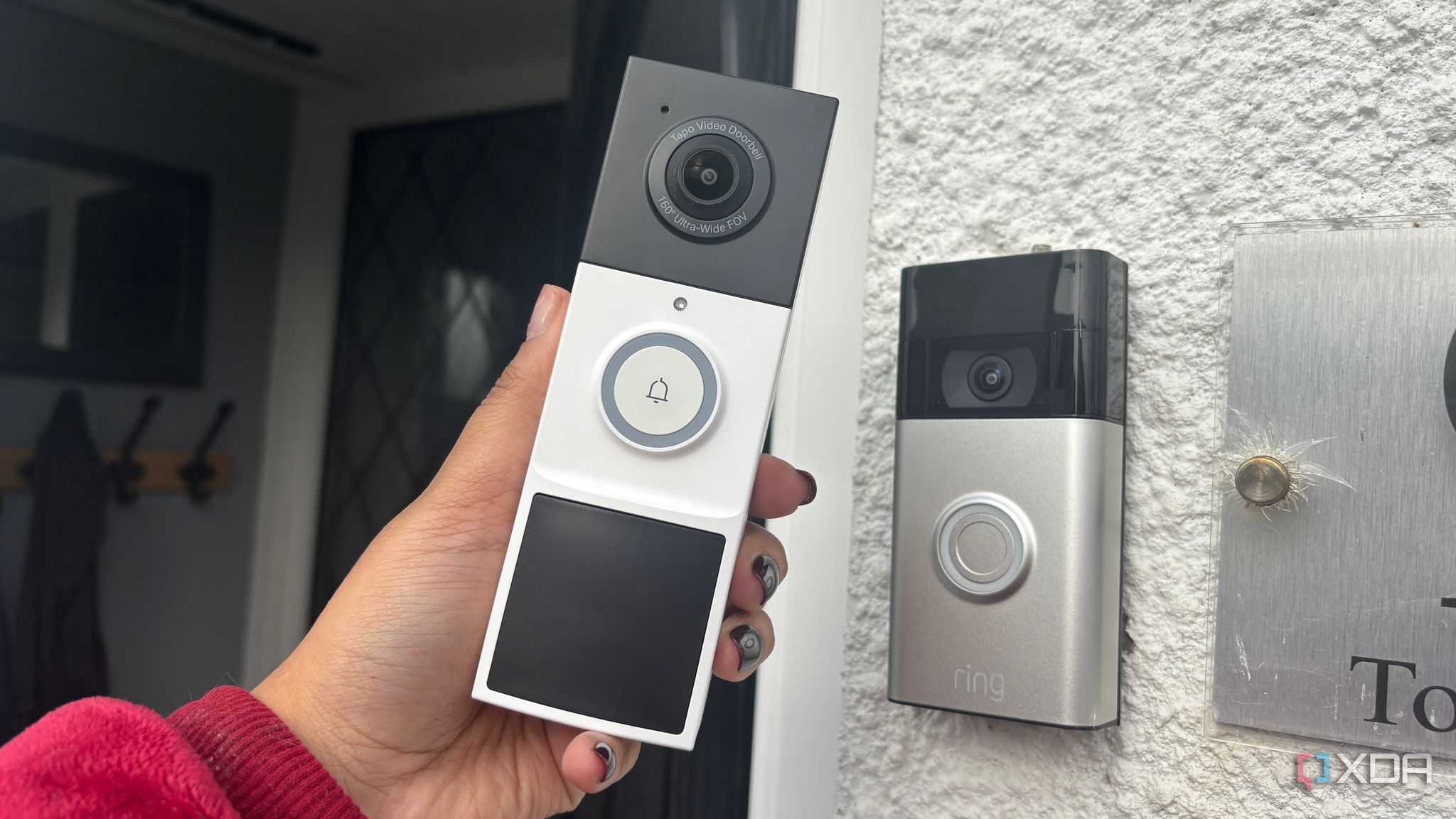
When opting for local devices like those that use ZigBee, Z-Wave, or Matter Over Thread, you don't have to worry about subscription fees as they don't have a home office to report to. Over five years, a local-only doorbell with a $15 microSD card saves you over $500 compared to a subscription-based competitor like Ring.
Whilst a subscription isn't required to use the product, it is needed to access pro features, which otherwise come for free with local-only gear.
Another downside to opting for cloud-based products is that we've seen dozens of cloud startups go bankrupt, which can turn $300 devices into plastic bricks practically overnight. When picking up local devices, you're guaranteed that the gear will work so long as the hardware stays powered. It doesn't need a manufacturer's server in order to stay alive and keep running.
A local-only light switch bought in 2026 will still work in 2036, whereas a cloud switch is at the mercy of the company's stock price and legacy support policies. For a lot of cloud-based products, if the manufacturer decides to stop supporting the device, there's not much else you can do about it. That device immediately becomes e-waste and can no longer be utilized.
Another major perk of local smart home devices is the hardware efficiency. You typically get better specifications for less money. Cloud devices need more RAM and faster CPUs in order to handle encryption and constant data streaming to external servers. This makes them a lot more expensive just so they can connect to the internet.
The threads are ultra-efficient because they only send tiny packets across your room rather than to servers on the other side of the planet. This means that because manufacturers don't have to pay for server hosting or expensive specifications inside the devices themselves to handle the internet connection, they can pass on the infrastructure savings to the consumer or invest it in better sensors and build quality. This means, overall, you're likely to get a better device for cheaper, as well as all the other benefits listed.
The true cost of cloud products
Monthly fees add up real quick
Weirdly enough, another issue you might encounter is resale and transferability. When you're using a cloud-based device, especially a security system, it is practically impossible to sell. These security systems, once set up, typically lock to a specific account, meaning that once you're signed in, no one else can. If you want to upgrade and sell the old tech, you won't be able to. Upgrading essentially renders your old security system as e-waste.
However, when it comes to local gear, this is unlocked by design. If you move house, you can leave the Zigbee switches to the next owner, and they will work with any standard hub, whether that's Home Assistant or Habitat. This adds real estate value to your home rather than just being a big pile of personal tech that you have to reinstall every time you move home.
The easiest way to calculate the actual cost of your smart home products isn't just by looking at the sticker price. Just because something costs $60 on the price tag, it probably won't cost you that much. If it has a recurring monthly subscription fee, multiply the monthly subscription by 36 to get the three-year cost factor. In the three-year death cycle for cloud gear versus a seven-year cycle for local gear, suddenly you're looking at a significantly more expensive device when opting for cloud over local in almost every single modern use case. Local hardware is 40% cheaper over its lifetime than its cheap cloud counterpart. On top of this, you can't even re-home or sell old cloud technology if it gets account locked.
Don't be a victim to subscriptions
Save yourself the cash in the long term
Really and truly, when it comes to smart home devices, privacy might be a moral victory, but wealth preservation is a practical one. If you have to pay a monthly fee to use your own light switch, then you don't own your smart home; you're just renting it from a tech giant. Opting for local-only devices ensures that the technology you invest in will last even when the manufacturer decides to stop producing it. If you haven't already made the switch to local for the range of benefits on offer, saving money is the cherry on top that should really convince you to make the swap.


Post a Comment for "Local only smart home products might be great for privacy but there's also this hidden benefit"