
The End of an Era: Audi A8 Production Concludes After 32 Years
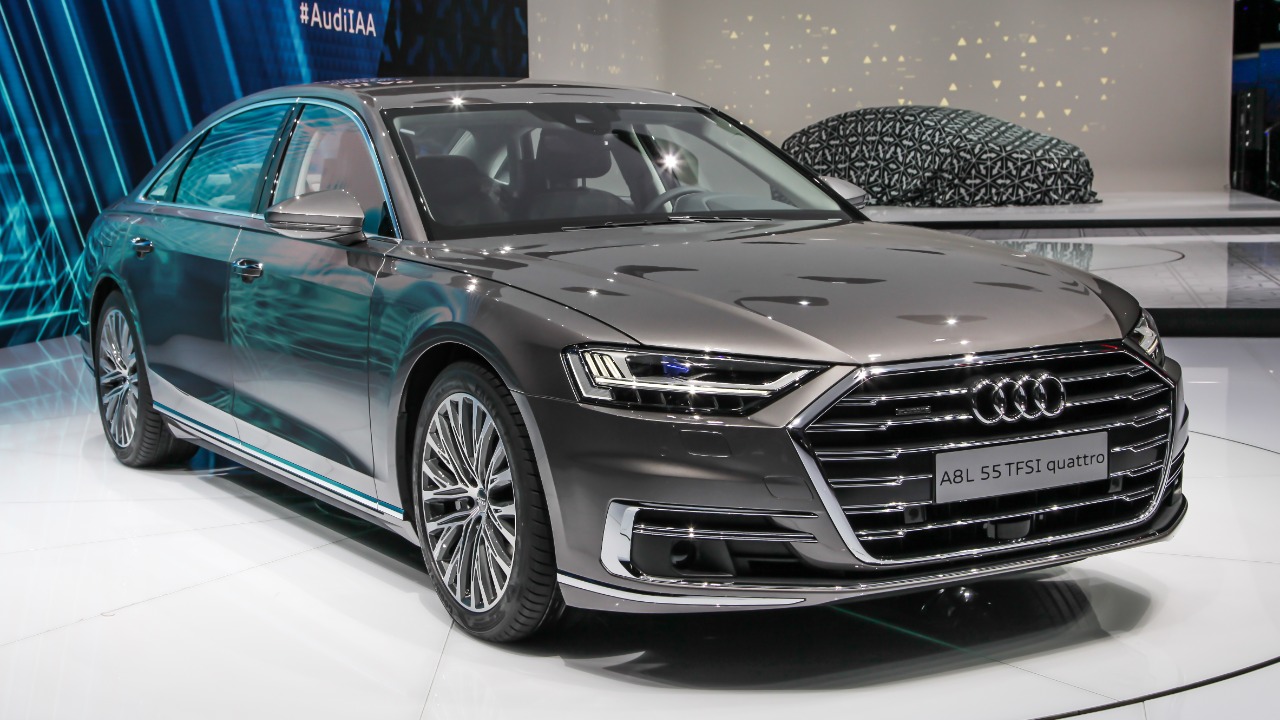
DAMAKORONKOWA - The automotive industry witnessed the quiet end of an era this past mid-October when the final Audi A8 officially rolled off the assembly line at the historic Neckarsulm facility in Germany. According to reports from prominent European automotive publications, this momentous event marks the conclusion of a remarkable 32-year production run for Audi's esteemed flagship luxury sedan. Spanning four distinct generations, the vehicle first entered production at the very same plant back in 1994, quickly establishing itself as a pinnacle of German engineering and luxury. However, as the final vehicle cleared the production floor, the manufacturer left enthusiasts and industry watchers with a lingering question, as no direct successor has been formally unveiled or confirmed for immediate release.
The Shift in Production and Market Realities
The phasing out of the A8 had been visible to observant industry analysts for quite some time. Audi had already halted the acceptance of individual, custom orders for the A8 in its home market of Germany as early as February, meaning that the final months of manufacturing were dedicated solely to fulfilling requests from existing dealer stock.
With the departure of the flagship sedan, the production halls in Neckarsulm have undergone a significant transformation. The space that was once dedicated to crafting the luxury sedan is now bustling with the assembly of the newer A5 Sedan and A5 Avant, alongside their high-performance S and RS variants. While this ensures that the factory floor remains exceptionally busy, it leaves a noticeable void at the very top of Audi's passenger car lineup.
Despite the historical significance of the final car leaving the plant, the automaker chose a remarkably subdued exit. The company has kept official details tightly under wraps, withholding total production figures for the Neckarsulm plant and declining to publicly identify the final car, its buyer, or any ceremonial send-off that may have occurred behind closed doors.
Aluminum Innovation and the D2 Legacy
When the original D2 generation debuted in 1994, it revolutionized the luxury car market primarily through its pioneering construction. The vehicle made a massive splash by introducing an aluminum-intensive body built upon Audi’s groundbreaking Space Frame technology.
- Recognized widely as the first series-produced automobile to feature a fully aluminum body structure.
- Delivered a remarkable weight advantage of roughly 40 percent compared to traditional steel competitors in the same class.
- Paved the way for advanced lightweight vehicle architecture across the broader automotive landscape.
In contrast, the final iteration—the D5 generation introduced in 2017 and subsequently given a facelift in 2021—embraced a more hybrid approach to materials, blending aluminum with high-strength steel, magnesium, and specialized carbon-fiber components to meet modern safety and structural rigidity standards.
Changing Tastes and Declining Volumes
The trajectory of the A8 tells a clear story of shifting consumer preferences within the global luxury automotive market. Production volume figures highlight a stark contrast between the peak years of the nameplate and its twilight era:
- Regional reporting indicates that the Neckarsulm facility was pumping out nearly 40,000 units of the A8 annually by 2014.
- By 2024, annual production had dropped significantly to approximately 12,000 vehicles before eventually slipping below the 10,000-unit threshold per year.
A vehicle that once commanded a dedicated, bespoke body shop had gradually transitioned into a low-volume flagship. During this same period, luxury car buyers increasingly abandoned traditional sedans in favor of large, commanding SUVs. Furthermore, unlike its primary competitors, Audi never officially published a cumulative lifetime build total for the iconic nameplate.
Throughout its storied existence, the A8 also served as the vehicle of choice for the highest levels of German government. Historical accounts recall that Gerhard Schröder was the first German chancellor to utilize an armored A8 as part of the official government fleet, a tradition famously continued by Angela Merkel, who frequently rode in an armored A8 L Security during her extensive chancellorship.
Global Availability and the Future Roadmap
While the European market saw the rapid phase-out of the sedan—with the vehicle vanishing from the German configurator in February—North American markets enjoyed an extended timeline. The A8 has continued to be marketed in the United States as a 2027 model year vehicle, offering robust performance choices ranging from a turbocharged 3.0-liter V6 in the base configuration to a formidable V8 engine in the performance-oriented S8 variant.
Looking ahead, the strategy for Audi's ultimate luxury offering remains shrouded in conflicting reports and cautious corporate statements. While company representatives have hinted that a decision regarding a successor has been finalized with an anticipated reveal toward the end of the decade, details remain scarce. Industry insiders remain divided on whether the next-generation vehicle will be manufactured by Porsche's workforce in Leipzig using a shared platform, or if the brand might explore alternative partnerships and production hubs in Asia. Until a true successor finally arrives on the global stage, the expansive Audi Q9—a massive three-row SUV produced in Slovakia—will temporarily step in to serve as the undisputed largest model in the brand's global portfolio.
Volkswagen has committed to unveiling a comprehensive European production strategy by June 2027. This upcoming announcement will serve as a crucial turning point, ultimately determining whether the facility in question will maintain a vehicle flagship of any kind moving forward.
As the automotive landscape continues to shift rapidly toward electrification and new manufacturing paradigms, major legacy automakers are under immense pressure to optimize their operations across the continent. Industry analysts and workers alike are watching these developments closely to see how production lines will adapt to the demands of the modern market.
Key Developments Across the Transportation and Scientific Sectors
Beyond the corporate strategies of major automotive manufacturers, recent weeks have brought a variety of notable stories from the worlds of engineering, aviation, and environmental science.
-
Automotive Longevity and Reliability
Mechanics and automotive enthusiasts often point out that certain legacy car transmissions are built to such high standards of durability that they almost never fail under normal driving conditions. Similarly, vehicle research frequently highlights robust engineering, such as select engines designed and built to reliably run well past the 200,000-mile mark without major overhauls.
-
Recent Aviation Incidents
In the realm of aviation safety, federal authorities are actively investigating a tragic accident. Two Kentucky residents lost their lives when a small aircraft went down at Missouri’s scenic Lake of the Ozarks. The National Transportation Safety Board (NTSB) has taken the lead in examining the wreckage and flight data to determine the exact cause of the crash.
-
Environmental and Climate Concerns
On the scientific front, researchers have issued new warnings regarding the impacts of a warming planet. According to recent studies, melting permafrost is now triggering a newly identified category of catastrophic landslides, posing fresh threats to infrastructure and ecosystems in northern regions.


Post a Comment for "The End of an Era: Audi A8 Production Concludes After 32 Years"