
Laser Speed-Fix Restores and Strengthens Aircraft Landing Gear
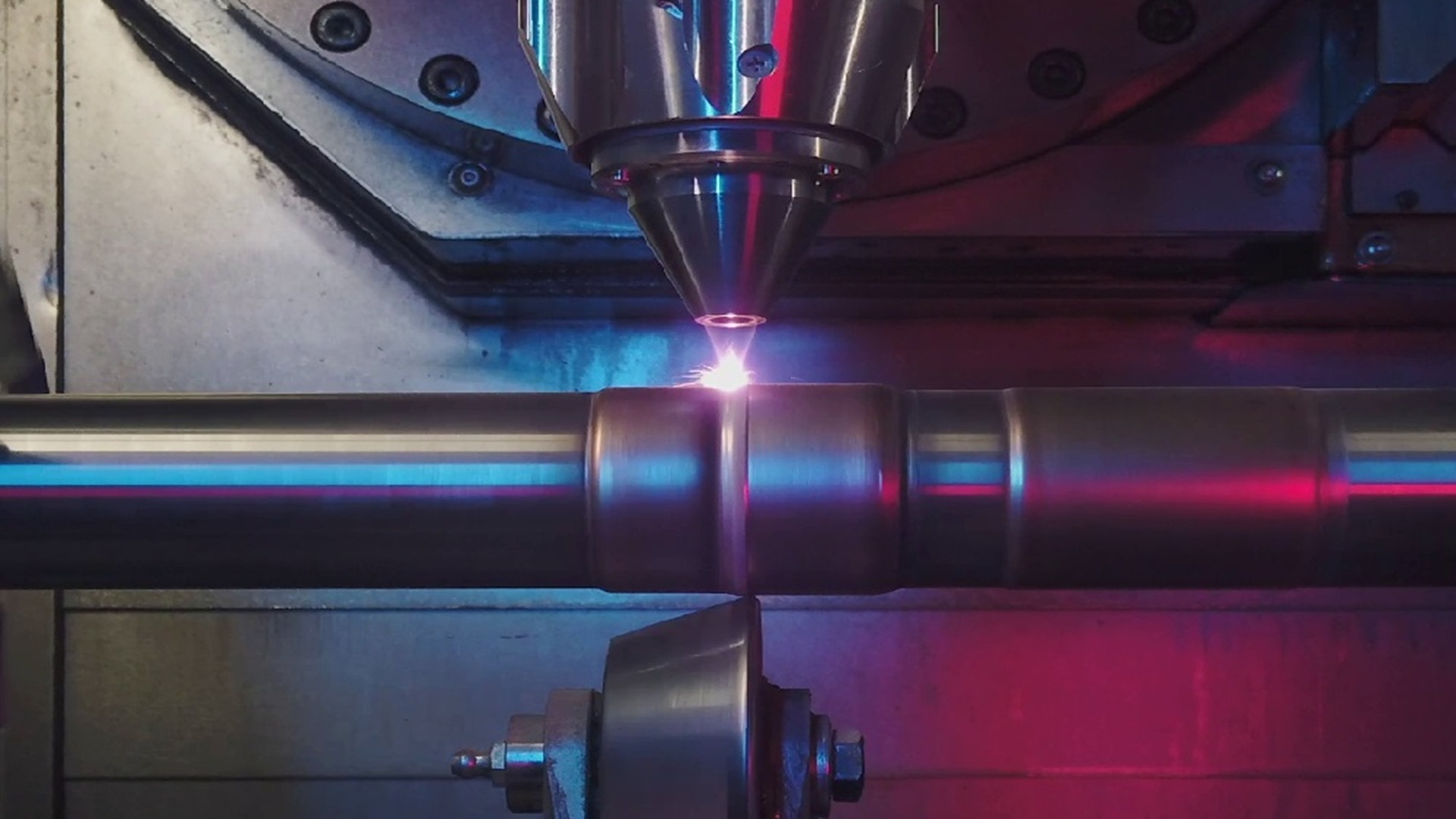
DAMAKORONKOWA - Aircraft landing gear components represent some of the most critical and heavily stressed engineering elements in modern aviation. Throughout routine operations such as takeoff, landing, and ground taxiing, vital parts including wheel axles, shock-absorbing pistons, and connecting pins must endure immense mechanical forces. Simultaneously, internal and external elements like bearings, bushings, and seals face relentless friction and continuous mechanical wear.
Compounding these mechanical stresses is the harsh operational environment. Airplanes are routinely exposed to extreme temperature fluctuations, ranging from intense heat to freezing cold, alongside moisture, jet fuel, aggressive cleaning chemicals, deicing fluids, ice, sand, and abrasive dust particles. These environmental factors significantly accelerate the vulnerability of aircraft surfaces to corrosion and structural degradation.
The Limitations of Conventional Maintenance
During routine maintenance procedures, minor surface damage on landing gear components is typically addressed by scraping away the compromised material. However, this subtractive approach has strict physical limits. Once wear or corrosion exceeds a specific threshold, traditional maintenance protocols require the complete replacement of the component.
Replacing major landing gear parts is not only exceptionally expensive, but it also results in extended aircraft downtime, keeping valuable fleet assets out of service for lengthy periods. Historically, chromium plating has been the industry standard for surface protection and restoration. Nevertheless, growing environmental regulations and stringent occupational safety concerns have compelled scientists and industry leaders to seek safer, more sustainable alternatives.
The Challenge of Heat and Geometry
While welding might seem like a logical solution for repairing damaged metal, it is not a viable option for aerospace applications. The excessive heat generated by traditional welding can fundamentally alter the delicate microstructure of high-strength aerospace steels and negatively distort the overall geometry of the component.
To overcome these technical hurdles, specialized researchers at the Fraunhofer Institute for Laser Technology ILT in Germany have successfully devised an advanced, high-speed variant of laser metal deposition (LMD).
Extreme High-Speed Laser Material Deposition
- Precision Application: The innovative technique, known as Extreme High-Speed Laser Material Deposition (EHLA), utilizes a highly focused laser beam to melt specialized metal powder, applying it with pinpoint accuracy exactly where it is needed.
- Speed and Efficiency: Operating significantly faster than conventional deposition methods, the EHLA process generates markedly less heat, rendering it ideal for repairing or coating heat-sensitive, high-strength aerospace components without risking structural integrity.
- Real-World Validation: To ensure the technology is practical for commercial aviation, researchers collaborated closely with industry experts to test its viability on actual landing gear components under realistic load conditions, accounting for specific materials, complex damage patterns, and strict repair limits.
Simultaneous Coating and Roller Burnishing
Innovating further, the research team integrated an immediate post-processing step rather than relying on traditional cutting or grinding operations. Shortly after the laser-assisted metal deposition takes place, a hard roller is pressed directly against the newly applied material in a seamless, single-step procedure known as Simultaneous Coating and Roller Burnishing (SCaRB).
The primary advantage of this technique is capitalizing on the thermal state of the newly deposited material. By smoothing and strengthening the freshly applied, still-warm metal layer, the process eliminates the need for separate finishing stages, substantially reduces setup time, and optimizes manufacturing efficiency. Furthermore, this method allows engineers to precisely tailor the surface finish, hardness, and residual stresses of the repaired aircraft components.
Researchers can fine-tune these critical material properties by carefully adjusting various process parameters, which include: * Laser power output and powder feed rates * The precise distance maintained between the laser and the burnishing tool * Applied burnishing force * The physical radius and hardness of the roller tool
Non-Destructive Quality Inspection
Ensuring the absolute safety and durability of repaired landing gear requires rigorous testing. Beyond the physical repair process, the development team integrated a sophisticated laser-based inspection technique to evaluate coating and subsurface quality without causing any damage to the restored part.
This analytical method, designated as LAwave (laser-induced surface acoustic wave spectroscopy), generates controlled acoustic sound waves and meticulously analyzes how these waves propagate through the material. Despite these impressive advancements, the technology is currently undergoing further development and rigorous validation to fully qualify for strict aerospace regulatory standards, as researchers continue testing the procedures on real landing gear geometries subjected to representative operational loads.


Post a Comment for "Laser Speed-Fix Restores and Strengthens Aircraft Landing Gear"