
Ford Mach-E Batteries Prove Shockingly Durable After 200,000 Miles
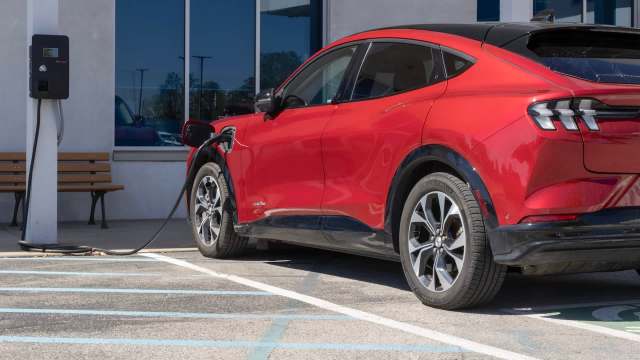
DAMAKORONKOWA - As electric vehicles continue to saturate the mainstream automotive market, prospective buyers and current owners alike frequently voice concerns about the long-term durability of lithium-ion power sources. However, recent data released by major automakers and independent evaluators is helping to alleviate these anxieties, particularly regarding early-generation electric SUVs.
New findings from an extensive study conducted by Ford indicate that some of the company’s earliest Mustang Mach-E electric vehicles have successfully surpassed the impressive milestone of 200,000 miles on the odometer. Crucially, these high-mileage vehicles continue to retain a remarkably high percentage of their original battery capacity, proving that modern EV powertrains are built for the long haul.
In-Depth Fleet Analysis
In a comprehensive study examining roughly 36,000 vehicles, the more than 30 cars that crossed the 200,000-mile threshold maintained an average of 88% of their original battery capacity. This demonstrates an exceptional level of resilience under extensive, real-world driving conditions.
To better understand how these power systems degrade over time, researchers looked closely at various usage tiers within the broader fleet: * Five-Year Benchmark: For the 2021 Mach-E debut model year, battery capacity averaged an impressive 92% after five years of public use. This specific analysis covered the entirety of North American buyers from that launch window. * High-Mileage Subset: Vehicles that had already accumulated more than 100,000 miles performed nearly on par with the fleet as a whole. This group of over 2,000 Mach-Es retained more than 91% of their battery capacity on average, despite enduring significantly heavier daily use. * Broad Retention Range: Across the entire study group, Ford discovered that an overwhelming 95% of the vehicles retained between 87% and 97% of their total battery capacity.
It is worth noting that this particular five-year study focused exclusively on vehicles equipped with nickel-cobalt-manganese batteries. Mach-E models featuring lithium-iron-phosphate (LFP) chemistry were excluded because Ford did not introduce those specific packs until the 2023 model year.
Real-World Range and Independent Testing
To put these capacity percentages into practical perspective, consider a 2021 Mach-E that was originally rated for a driving range of 305 miles. According to Ford's estimations, that same vehicle would still boast about 280 miles of remaining range after five years and roughly 55,000 miles of driving. This amounts to a minimal reduction of just 25 miles over half a decade of operation.
Independent evaluations have further reinforced these positive findings. Aviloo, an independent battery-testing firm, recorded an average battery health of 92.5% for the Mach-E. For comparison, the same testing framework yielded scores of 88.9% for the Tesla Model 3 and 90.3% for the Model Y. Aviloo's analysis spanned more than 500,000 battery tests, revealing that most electric vehicle models generally maintain 90% to 94% battery health at around 93,000 miles. Furthermore, a separate analysis by used-EV analytics company Recurrent found that electric vehicles still delivered an average of 95% of their original driving range after five years using a range-based methodology.
Implications for the Used Car Market
As early-generation Mustang Mach-Es increasingly find their way into the pre-owned market, they are frequently listed at price points significantly lower than their original sticker prices. Industry observers suggest that these robust battery performance metrics indicate used electric vehicles represent an even better financial value than many consumers initially realize.
For current owners looking to maximize the lifespan of their vehicle's power pack, automotive experts recommend several best practices: * Smart Parking Habits: During periods of peak heat, drivers should make a concerted effort to park in shaded areas or garages to protect the thermal system from extreme temperatures. * Cabin Preconditioning: Owners can utilize preconditioning features to heat or cool the vehicle's interior while the car is still physically plugged into a charger, thereby reducing the strain on the main driving battery. * Optimized Charging Routines: For everyday commuting and local driving, motorists are encouraged to rely primarily on Level 2 AC home or public chargers. Direct current (DC) fast charging should ideally be reserved for longer road trips or occasional top-ups.
Looking Ahead to Future Engineering
Ford is actively utilizing the wealth of data harvested from its current Mach-E fleet to inform the design and engineering of upcoming electric vehicles, including the anticipated budget-friendly Fathom pickup truck. Kevin Vander Laan, who spearheads Ford's technical operations for high-voltage battery systems and cells, emphasizes the importance of this continuous feedback loop.
Engineers are closely monitoring the real-world performance patterns to refine future iterations. As the data continuously flows in, the engineering teams apply those insights directly to upcoming vehicle architectures to ensure even greater longevity and efficiency down the road.
Battery health remains a critical factor for anyone shopping for an electric vehicle, directly influencing everyday usability, charging habits, and long-term resale value. Fortunately, ongoing industry advancements and transparent real-world data continue to demonstrate that modern EV batteries are more than capable of keeping pace with traditional internal combustion vehicles over their operational lifespans.


Post a Comment for "Ford Mach-E Batteries Prove Shockingly Durable After 200,000 Miles"