
Florida State Coaching Search: Major Update Revealed
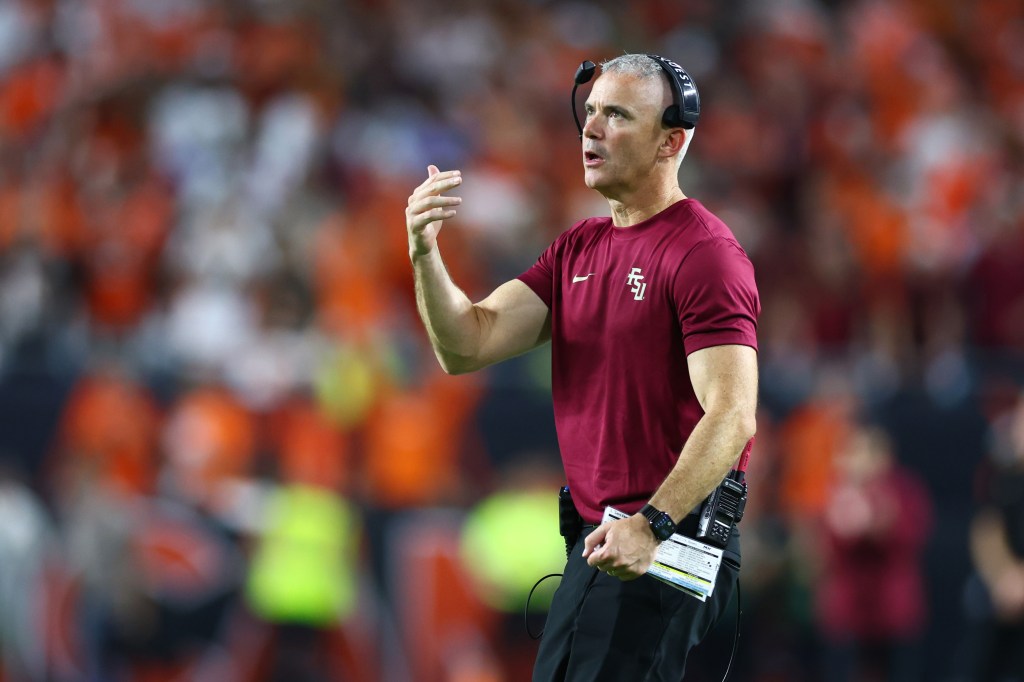
DAMAKORONKOWA - The Florida State University administration made the definitive decision to dismiss head coach Mike Norvell following a disappointing 36-24 home defeat against Clemson. This crucial setback lowered the Seminoles' record to a dismal 3-5 for the season, amplifying mounting frustrations across the campus. While the change did not shock many observers due to the team's sharp decline, it marks a dramatic shift for a program that celebrated an undefeated regular season just a short time prior in 2023.
During that remarkable 2023 campaign, the Seminoles dominated the competition, finishing the regular season with an unblemished 13-0 record and claiming the Atlantic Coast Conference championship. However, that high point was swiftly followed by controversy when the team was controversially left out of the College Football Playoff, subsequently suffering a historic blowout loss to Georgia in the Orange Bowl. Unfortunately, the momentum completely vanished after that winter. The program has since stumbled to a stunning 10-22 record under Norvell's leadership, leaving the university facing a massive financial obligation in the form of a buyout estimated at approximately $50.3 million.
Addressing Institutional Challenges
FSU President Richard McCullough noted that the persistent on-field struggles ultimately reached a point where immediate action was unavoidable. This leadership shakeup follows the earlier dismissal of athletic director Michael Alford in September. In the wake of Norvell's departure, director of scouting Rick Stockstill has stepped into the role of interim head coach while the institution launches a comprehensive search for a permanent leader.
Industry experts have closely monitored the developments in Tallahassee, recognizing that the scope of the upcoming transition extends far beyond the coaching staff. According to insights shared by prominent college football analysts, university decision-makers are widely expected to target a current sitting head coach who possesses a deep, modern understanding of the evolving landscape of collegiate athletics.
Historically, the heavy influence wielded by university boosters created unique internal dynamics that complicated the athletic director position, limiting the authority traditionally associated with the role. University leadership now appears intent on reestablishing a more traditional operational hierarchy, ensuring that the next athletic director and coaching staff will have the structural support necessary to navigate modern challenges effectively.
The Search for a Modern Leader
With a revamped approach to the administrative structure, the search committee is prioritizing candidates who have proven track records in adapting to contemporary roster-building strategies. Successfully managing player retention, the transfer portal, and Name, Image, and Likeness (NIL) ecosystems proved to be significant hurdles late in Norvell's tenure, making modern administrative and tactical adaptability a top priority for the administration.
Several names have emerged in early discussions surrounding the coaching vacancy:
- Kenny Dillingham (Arizona State)
- Brings a strong offensive background and deep ties to the college football landscape, making him an intriguing option for a premier program looking to revitalize its identity.
- Manny Diaz (Duke)
- Offers extensive experience coaching within the Atlantic Coast region and a proven ability to lead high-level defensive units.
- Jake Dickert (Wake Forest)
- Has drawn considerable praise for maximizing available talent and keeping competitive programs firmly in the national conversation.
- Eli Drinkwitz (Missouri)
- Demonstrated an ability to navigate the complexities of power-conference competition and sustain competitive momentum.
- Jason Eck (New Mexico)
- Known for innovative program-building and disciplined tactical execution.
- Charles Huff (Memphis)
- Recognized for strong recruiting prowess and leadership development within collegiate programs.
Program supporters point out that even amidst recent struggles, Florida State retains its status as a premier destination in the collegiate sports world. The university boasts a rich history featuring three national championship titles and sits squarely in the heart of one of the most talent-rich high school recruiting bases in the country. Operating within a competitive financial environment—including a reported roster investment budget ranging between $23 million and $30 million—the program offers the resources necessary for a capable leader to return the team to national prominence.
Timeline for the Transition
The university has outlined a structured schedule for the dual searches for both a permanent athletic director and a new head football coach. The timeline initiated an estimated 30-day window for securing an athletic director starting in late October. This pacing suggests that the university aims to finalize its athletic leadership by late November, which would then pave the way for the announcement of a new head coach by early December.
This projected schedule is strategically designed to position the incoming coaching staff ahead of critical administrative benchmarks, including the early signing period and the opening of the winter transfer window in January. By swiftly organizing both leadership tiers, Florida State hopes to stabilize its recruiting efforts and build a solid foundation for a competitive future.


Post a Comment for "Florida State Coaching Search: Major Update Revealed"