
FAA Crisis Resolved: Aging Tech Blamed for Nationwide Ground Stop
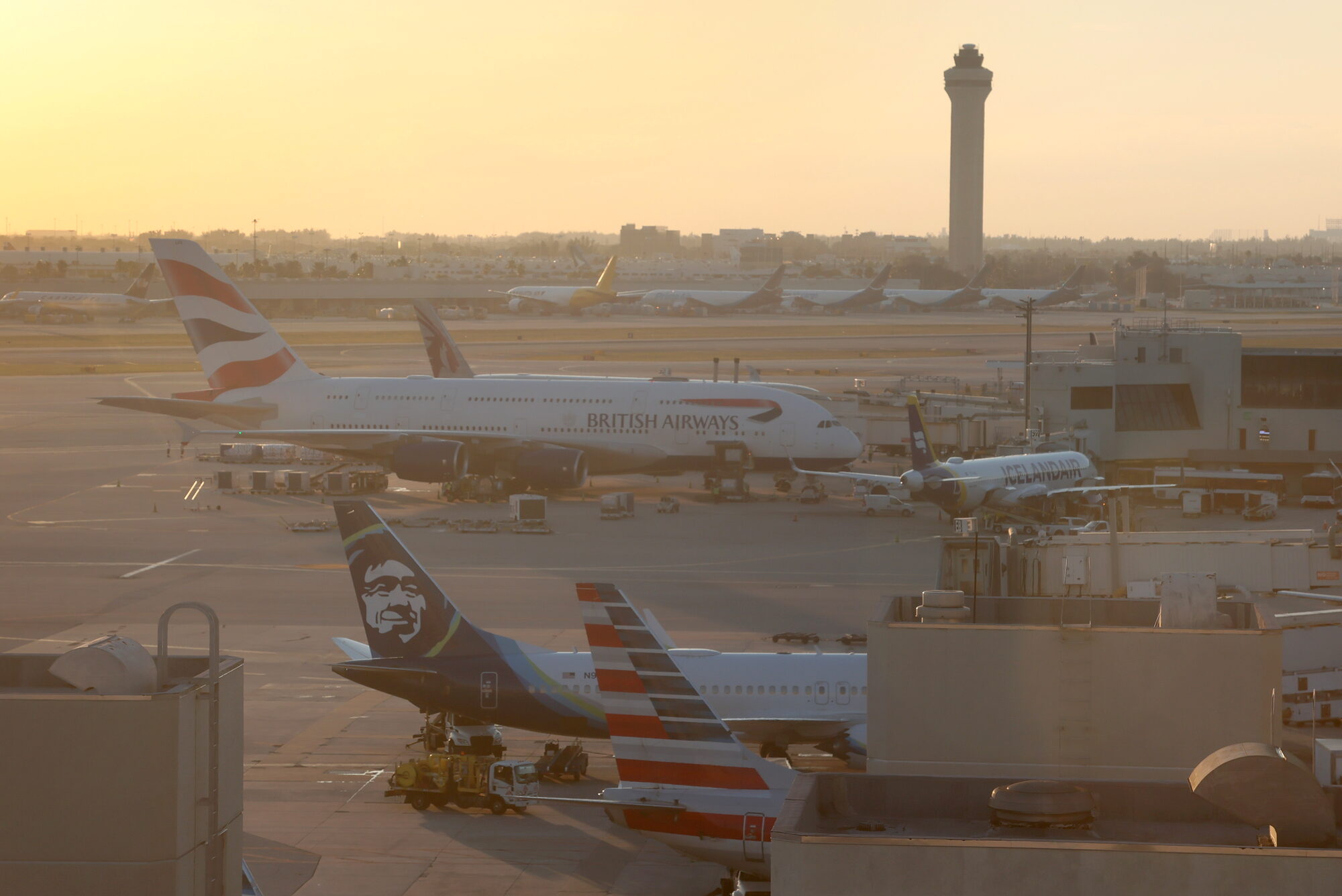
DAMAKORONKOWA - The Federal Aviation Administration officially lifted its nationwide ground stop on Friday evening, bringing an end to a massive telecommunications failure that completely paralyzed departing flights across the United States for over four hours. The unprecedented outage left thousands of travelers stranded at airports nationwide and triggered a cascading series of operational disruptions that airline industry experts warn could take several days to fully resolve.
Airspace Reopened, But Long Delays Expected
Transportation Secretary Sean Duffy announced during a White House briefing that U.S. airspace was successfully reopened at 8:15 p.m. Eastern Time. However, he cautioned the public that flight schedules would not immediately return to normal.
- Passengers are strongly advised to check flight statuses directly with their respective airlines before heading to the airport.
- Getting aircraft back into their proper positions and clearing the massive backlog of travelers will require significant time and logistical coordination.
- Flight tracking data from global aviation sources highlighted the sheer scale of the disruption:
- More than 4,700 flights were canceled outright on Friday alone.
- Over 10,000 flights experienced significant delays.
- An additional 700 flights were already preemptively canceled for Saturday as carriers scrambled to reset their operations.
Root Cause: Aging Technology and Overloaded Routers
Explaining the mechanics behind the shutdown, Duffy pointed directly to the vulnerabilities of America's aging infrastructure. He noted that the routers responsible for processing critical air traffic control data became severely overloaded, ultimately producing inconsistent and unreliable information.
"What we have is an incredibly old air traffic control system," Duffy stated during the briefing. The overwhelming influx of data forced authorities to make the difficult decision to shut down operations entirely as a necessary safety precaution.
According to multiple internal reports, the incident was triggered when an update was applied to a private communications network that links the nation's vital air traffic control systems. This update forced a system reboot, which subsequently resulted in a complete system crash. The private network in question is managed and operated by L3Harris.
Security Officials Rule Out Malicious Intent
Homeland Security Secretary Markwayne Mullin elaborated on the technical failure, explaining that the integration of newer technology into the antiquated legacy system placed an unbearable burden on the network, classifying the event as a severe engineering failure.
Crucially, both transportation and homeland security officials confirmed there was no evidence whatsoever pointing to a cyberattack or any form of deliberate malicious interference.
The emergency shutdown commenced shortly before 4:00 p.m. ET after widespread communication issues heavily impacted all 22 regional air traffic control centers. These specialized facilities are responsible for safely directing aircraft while they travel between airports. Out of an abundance of caution, the FAA immediately ordered all departing planes to remain on the tarmac. Meanwhile, aircraft that were already airborne at the time of the order continued to be managed safely by air traffic controllers.
Global Impact and Lingering Consequences
The domestic ground stop created a massive ripple effect that extended far beyond U.S. borders. International travel was severely impacted as aviation authorities across Europe temporarily suspended U.S.-bound departures, and Mexican aviation officials briefly grounded flights heading toward American destinations.
Major commercial carriers took swift action to mitigate the chaos. JetBlue canceled all remaining domestic flights for Friday evening, while other major airlines chose to divert aircraft in mid-air or radically alter their schedules. Beyond commercial passenger travel, the disruption heavily affected critical air cargo operations and even left several collegiate sports teams stranded, jeopardizing their travel plans for weekend athletic competitions.
Secretary Duffy noted that approximately 3,500 aircraft were actively airborne within U.S. airspace when the shutdown was first initiated. By the time federal officials held their evening briefing, that figure had plummeted to fewer than 400 planes remaining in the sky.
A Historic Outage and the Cost of Modernization
Aviation historians and industry analysts noted that Friday's nationwide grounding was the longest continuous halt of its kind since the tragic terrorist attacks of September 11, 2001. The last comparable FAA nationwide ground stop occurred in January 2023, which was prompted by a separate malfunction within the agency's aviation safety notification network.
While the United States Congress previously approved $12.5 billion earmarked for air traffic control modernization for the year 2025, federal authorities have repeatedly emphasized that this figure falls drastically short of what is truly required to completely replace the nation's outdated equipment. Secretary Mullin estimated that a comprehensive, nationwide overhaul of the entire system could ultimately carry a price tag of approximately $50 billion.
Although the federal ground stop has officially been lifted, travelers should prepare for lingering headaches, additional cancellations, and rolling delays as airlines continue the arduous process of restoring standard operations over the coming days.


Post a Comment for "FAA Crisis Resolved: Aging Tech Blamed for Nationwide Ground Stop"