
What Trump’s Iran conflict means for US politics
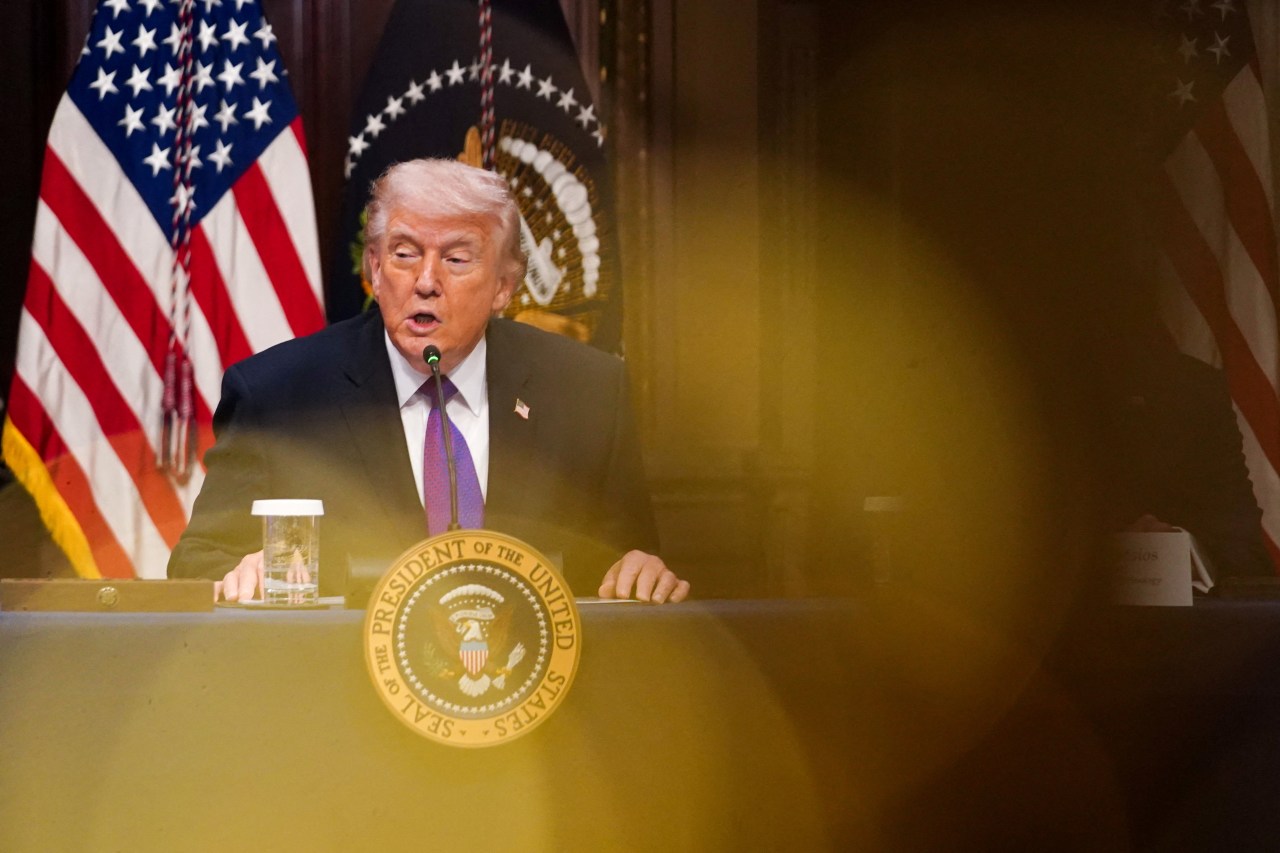
Good morning. President Trump’s Iran conflict could endure as one of the most consequential foreign-policy decisions by any U.S. president in the past 50 years. The operation has already created shock waves through the Middle East and worldwide that will be impossible to contain.
There might at some point be a big vote in Congress about a “supplemental” funding package to pay for the conflict, but that could be weeks or months away. So, for now, Trump and his team have the latitude to continue without real pushback from Congress.
But watch what just happened in Texas, on primary day.
Republican Rep. Dan Crenshaw lost. GOP incumbents Rep. Tony Gonzales and Sen. John Cornyn didn’t win enough support and are headed to runoffs. Democratic Rep. Jasmine Crockett lost her primary for a U.S. Senate seat to state Rep. James Talarico.
Midterm elections tend to blow in the opposing party’s favor, so that would favor the Democrats this year.
But (and this is a big but), what if what’s happening is this: An anti-incumbent wave is beginning to form far out to sea, and it will crest in November?
Trump once embodied such a wave. In his second term, however, he has remade Washington enough to have created his own version of the establishment. Interestingly, none of the Republicans who are on the ropes after Tuesday’s vote were really in Trump’s tent. But if voters want something new, something fresh, and the Iran conflict drags on into the summer and reminds voters of Iraq or Afghanistan, political forces could take shape beyond what either party is so far prepared to confront.
This is an edition of the Politics newsletter, bringing you an expert guide to what’s driving D.C. every day. If you’re not subscribed, sign up here.
People and Policies I’m Watching
Conflict in the Middle East: Follow live updates on the military operation, with Israel saying it started another wave of strikes on Tehran, while Iran fired more missiles toward Israel.
Trump ally Steve Daines: The Montana senator said he wouldn’t run for re-election this year, formally exiting the race. The move came as a surprise to many colleagues on Capitol Hill.
U.S. defense strategy: The House Armed Services Committee on Thursday will receive testimony from Undersecretary of War for Policy Elbridge Colby on America’s defense posture.
Trump’s Thursday: At 8 a.m. ET, the president is scheduled to have executive time and at 11 a.m., to receive an intelligence briefing. He will host the 2025 Major League Soccer champions, Inter Miami CF, at 4 p.m. Trump is slated to hold a policy meeting at 5:30 p.m.
What I’m Following
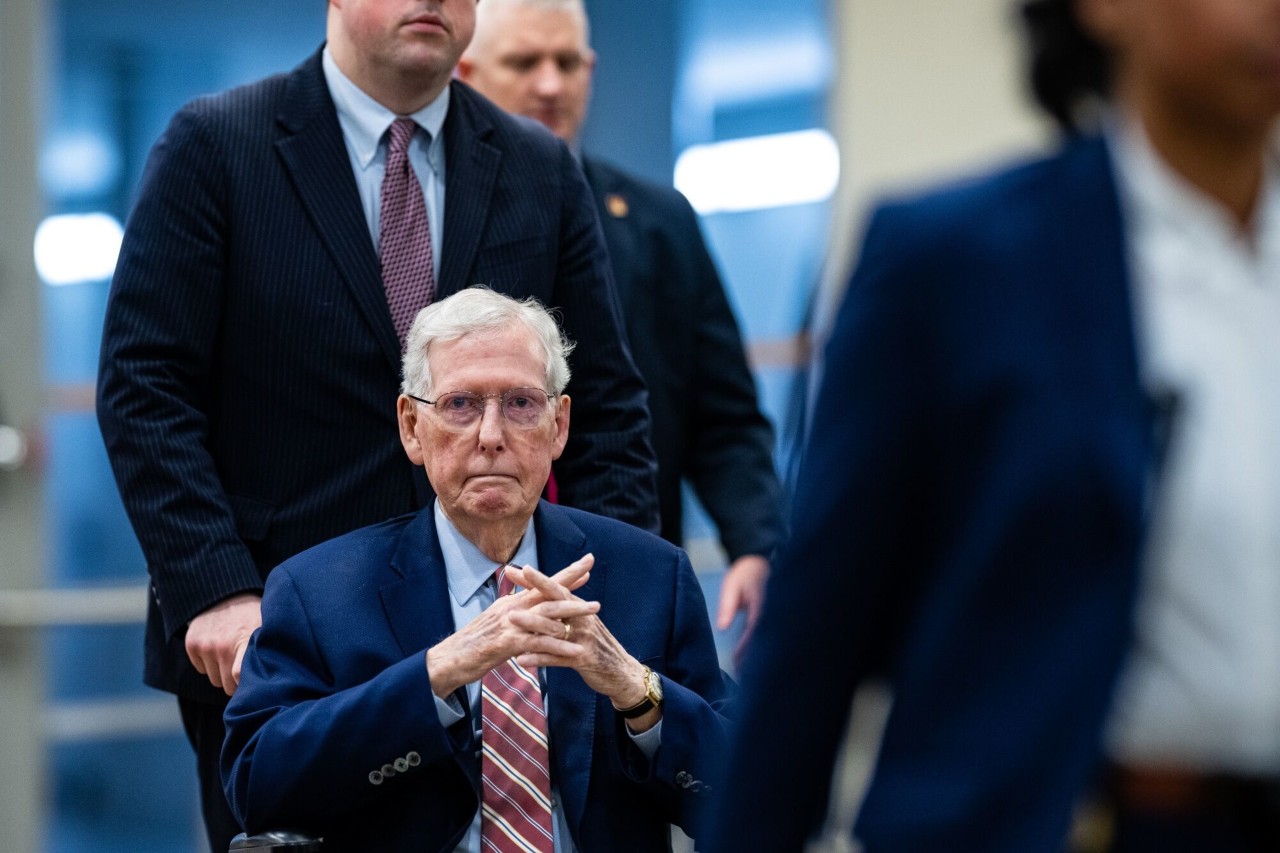
The GOP-controlled Senate rejected a wars-power resolution. The move, which sought to limit Trump’s ability to wage the Iran campaign without congressional approval, was sponsored by Sen. Tim Kaine (D., Va.) and went down largely on party lines. Former Senate GOP leader Sen. Mitch McConnell—who has sometimes clashed with Trump—opposed the resolution, but said the president needed to explain his strategy to the American public.
As the smoke clears in Texas, Republicans are worried. After Tuesday’s primary, Trump said he would soon endorse one of the two Republicans headed for a runoff—Sen. John Cornyn or state Attorney General Ken Paxton—and would then ask one of them to drop out of the race. With the Democratic-primary win for state Rep. James Talarico, the monthslong warnings from senior Republicans that Texas could be in play for the Democrats suddenly seem legit.
Rahm Emanuel is delivering the Democratic Party a dose of tough medicine. Unbound by elected office, Emanuel, a possible 2028 presidential candidate, said his party grew too complacent during Barack Obama’s presidency. He also said Democrats are now too fixated on Trump and it is hurting their chances in future elections.
Some European leaders are openly challenging Trump on the Iran conflict. It is a shift—most in Europe have worked hard not to offend the U.S. president. While their own domestic politics certainly played a role, the leaders of Britain and Spain ratcheted up their war of words with Trump, calling the U.S. attack on Iran illegal and unwise.
What Else Is Happening
Republican Rep. Tony Gonzales admitted to an affair with a staffer who later killed herself.A federal trade-court judge ordered the administration to start refunding the more than $130 billion it collected via the global tariffs invalidated by the Supreme Court.Grief and pride are in the air in Iowa as the Middle East conflict takes local lives.
What I’m Reading
Key Takeaways From Texas’ Primary Elections: Runoffs and Redistricting Take Center Stage (Houston Chronicle)Mills Is Trailing Platner in U.S. Senate Primary, Another Poll Shows (Portland Press Herald)‘Too Many Cooks’—Is Flooding the Zone Hurting Trump’s Iran Message? (Washington Examiner)
About Me
I’m Damian Paletta, The Wall Street Journal’s Washington coverage chief. I’ve covered Washington for 22 years as a reporter and editor. I’ve covered the White House, Congress, national security, the federal budget, economics and multiple market meltdowns.WSJ Politics brings you an expert guide to what’s driving D.C., every weekday morning. Send your feedback to politics@wsj.com (if you’re reading this in your inbox, you can just hit reply). This edition was curated and edited in collaboration with Joe Haberstroh and Alina Heineke. Got a tip for us? Here’s how to submit.



Post a Comment for "What Trump’s Iran conflict means for US politics"