
Volkswagen's turbodiesel Passat was the most efficient of its kind ever sold in the USA
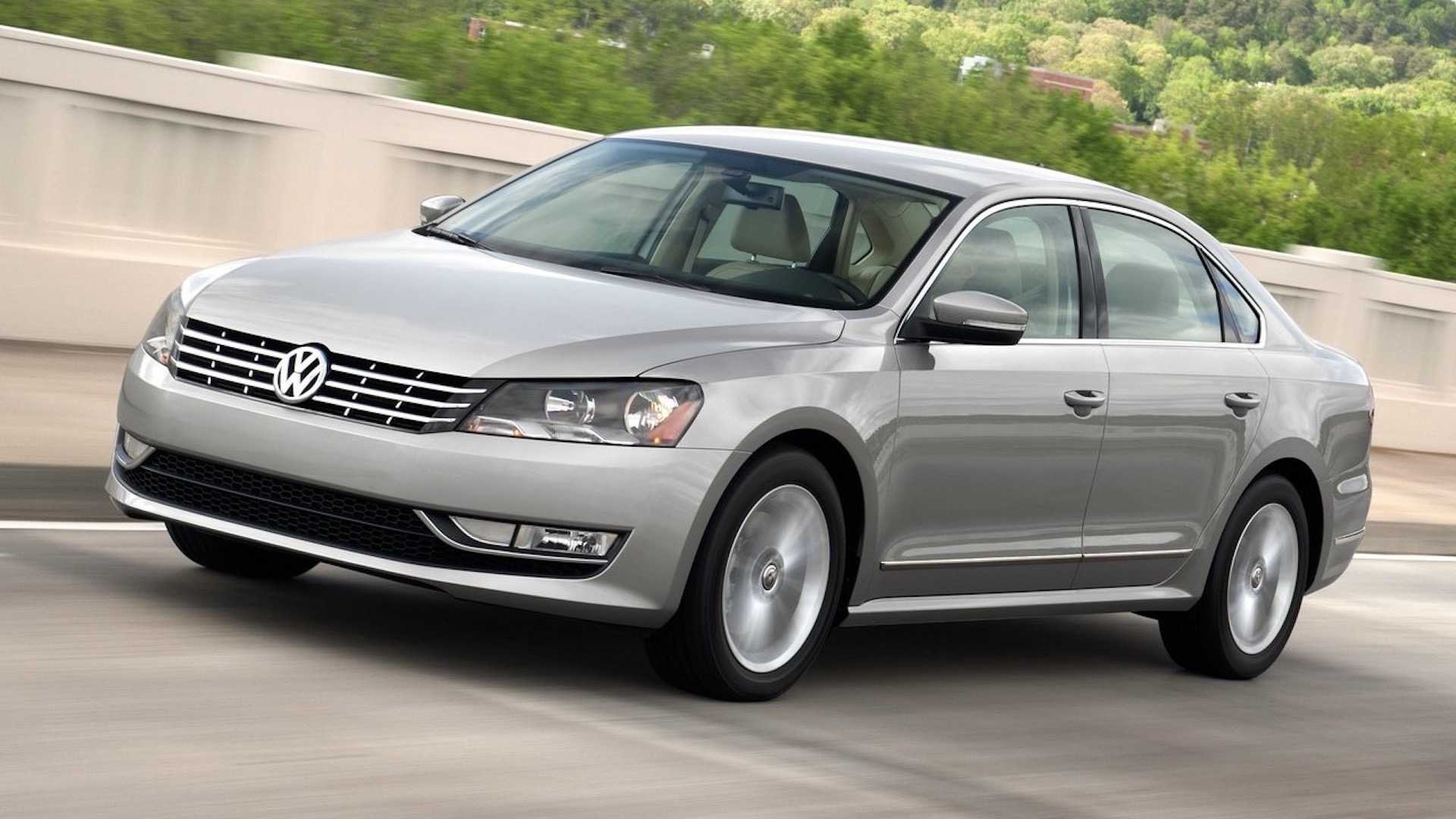
There was a time, not so long ago, when turbocharged diesel technology in passenger cars represented the tip of the efficient internal combustion engine spear. Cars like Volkswagen's Passat 2.0TDi, on sale in the USA from 2012, had a range of nearly 800 miles on a single tank of low-sulphur diesel, returning around 43 MPG. It doesn't get much more efficient than that.
But in 2015, the kingdom of diesel was overthrown in the USA, courtesy of the so-called Dieselgate scandal that not only rocked Volkswagen, but the entire diesel fraternity. As a result, there is not a single diesel-powered passenger car on sale in the USA today, with only a handful of trucks powered by diesel engines.
This is the story of the euphoria of the amazingly efficient turbocharged diesel engine in passenger cars, followed by the unfortunate demise of the turbocharged diesel engines in passenger cars.
A Star Is Born
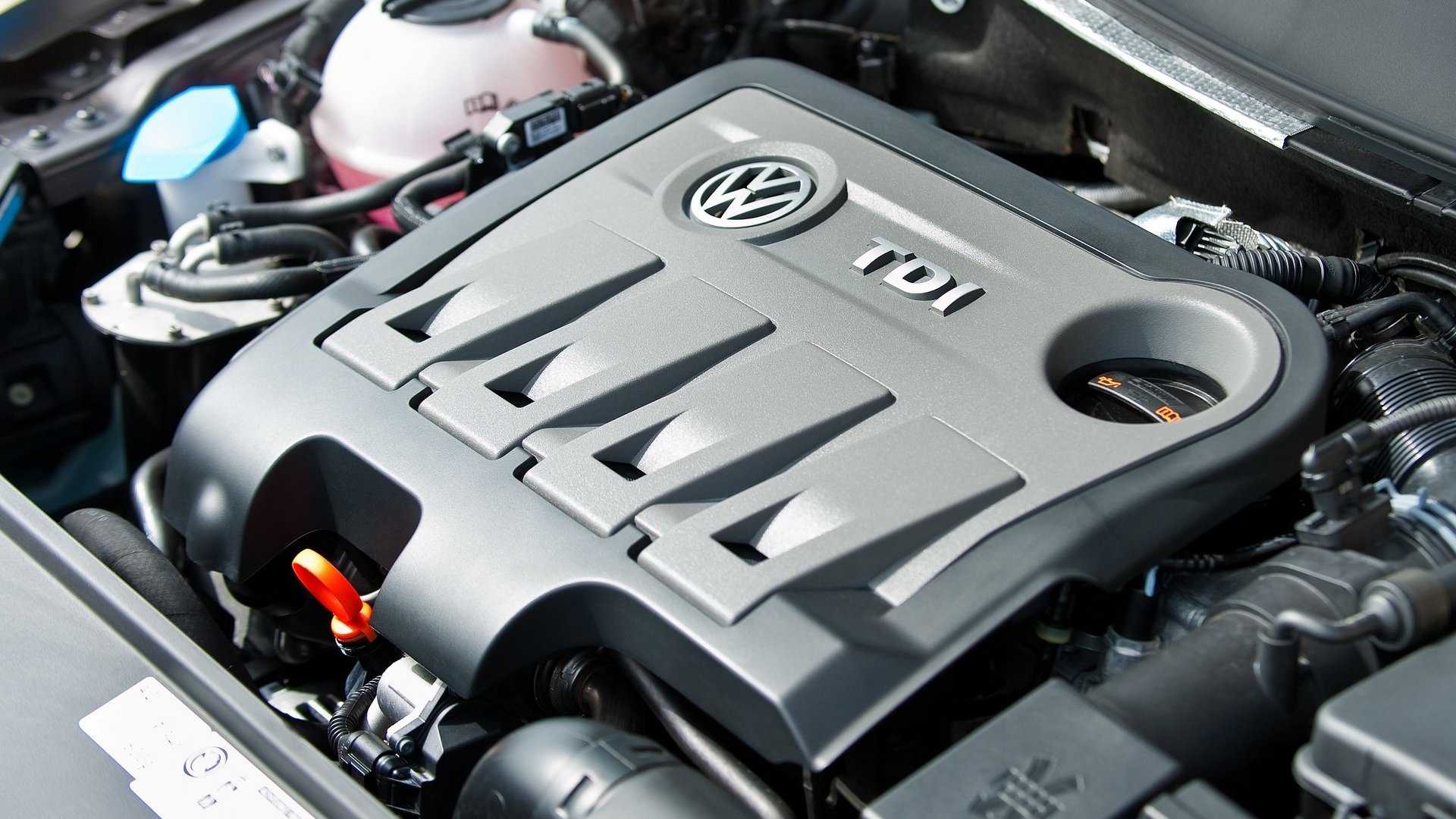
Ferdinand Piëch, the brilliant German engineer and mastermind behind modern automotive icons such as the Audi Quattro and the Bugatti Veyron 16.4, was also the driving force behind the development of Volkswagen's turbocharged direct injection (TDI) range of diesel engines. VW's direct injection, common-rail technology uses high-pressure injectors that operate at up to 1,800 bar of pressure. These injectors are designed to deliver multiple injections per combustion cycle, ensuring the typical 'rattle' in older generation diesel engines is vastly reduced. A variable turbine geometry (VTG) turbocharger also adds to the refinement and efficient operation.
When the Volkswagen Passat TDI landed on American showroom floors in 2012, it was a revelation. The Passat was a large and luxurious saloon that averaged 43 MPG, and had a range of nearly 800 miles on an 18.5-gallon tank of diesel. Ironically, Volkswagen's press release proudly stated that the TDI engine was equipped with a Selective Catalytic Reduction System (SCR), resulting in 'a clean engine that fulfills emissions requirements in all 50 states.'
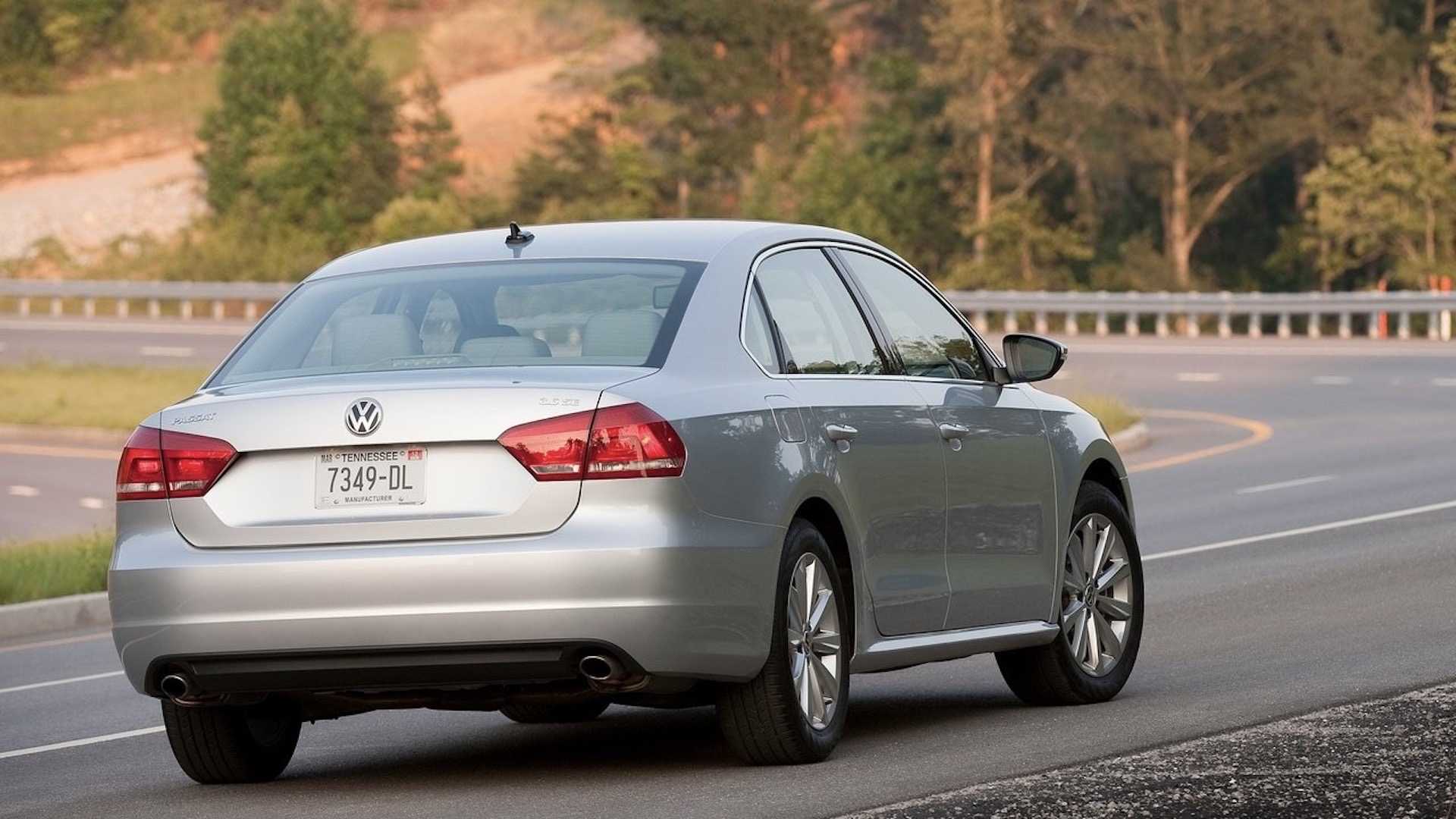
Running on diesel fumes was not the Volkswagen Passat's only party trick. The two-liter engine also produced 140 hp and 236 lb-ft of torque, the latter peaking between 1,750 and 2,500 rpm. It could sprint to 60 mph in around nine seconds, and reach a top speed of 130 mph. So it sported a fair turn of speed too. Sure, it was no diesel sports car, but performance was ample for what it was.
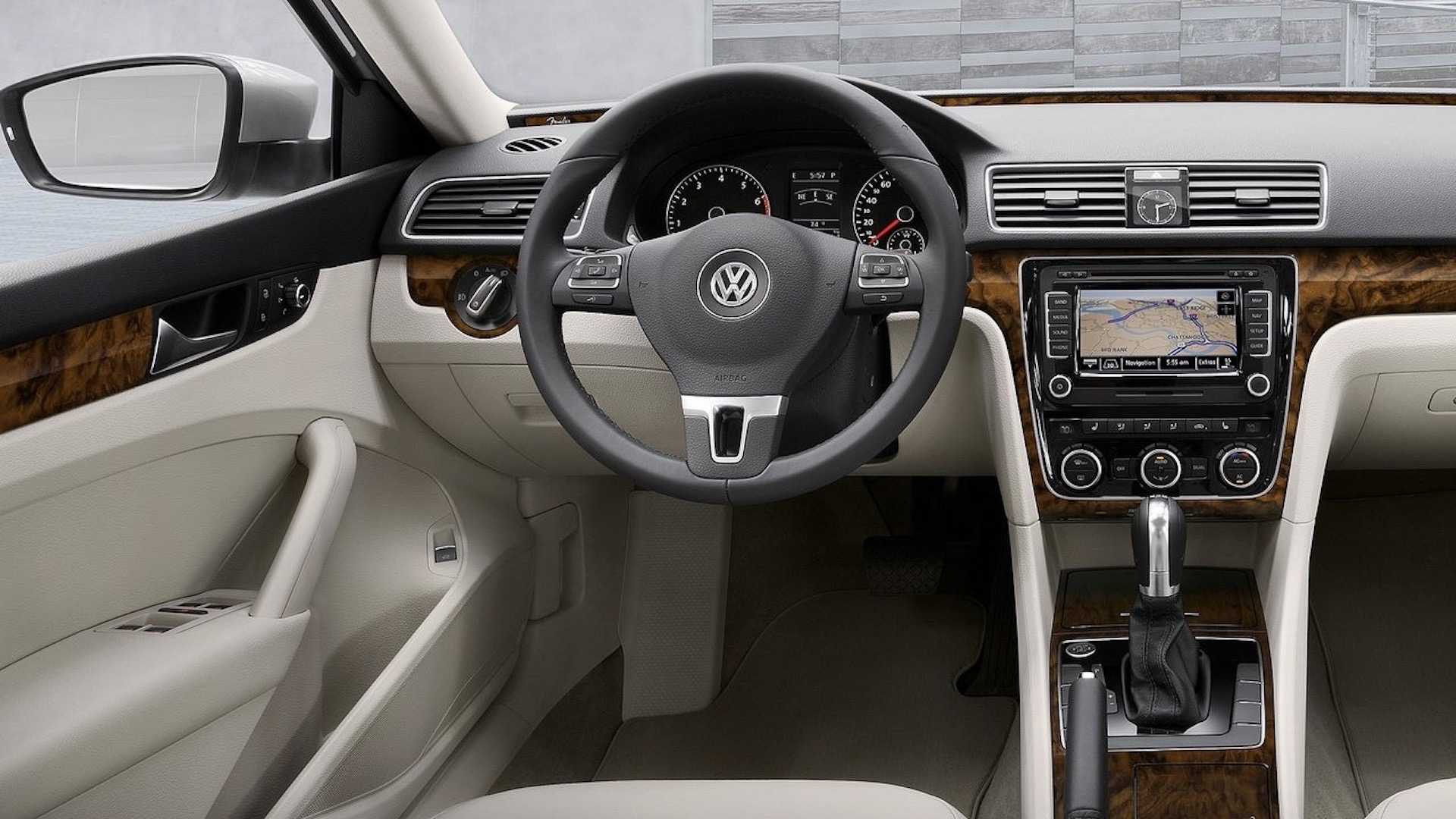
The cabin is also a luxurious space, with the 2.0TDI Premium model equipped with 18-inch aluminum wheels, leather trim, a satellite navigation system, a high-end Fender sound system, wood grain for the interior, and electrically operated front seats. Okay, the look of the Passat won't exactly inspire owners to get up in the middle of the night, head to the garage, and stare at the car for hours on end. But it was luxurious, spacious, comfortable, fast and sipped fuel at a rate that would make any oil baron take copious amounts of alcoholic drink.
But dark clouds were gathering on the horizon. Very dark clouds. In 2015, the United States Environmental Protection Agency (EPA) issued a notice of violation that would change the fortunes of diesel-powered cars in the USA forever.
The (Diesel) Cookie Crumbles
Picture the scene. It is September 2015. The EPA regulator issued a damning statement, indicating a violation of the USA's Clear Air Act. To cut a long story very short, Volkswagen was found to have included illegal software that could detect the EPA testing procedure, adjusting the engine control unit (ECU) to reduce emission levels according to EPA requirements, which also had an adverse effect on fuel consumption. But the same car, bought off the VW showroom, prioritized more efficient fuel consumption while more harmful gases were emitted.
Which brings us to the diesel engine's Achille's Heel: nitrogen oxide (NOx). Although diesel is more fuel efficient and emits less carbon dioxide (C02) than comparable gasoline engines, it is the NOx emissions that require special treatment before the gases depart the exhaust system in order for the engine to receive the green light from the EPA. For this purpose, Volkswagen developed its vaunted Selective Catalytic Reduction System (SCR). The urea-based SCR system is designed to break down harmful pollutants before they are emitted through the exhaust system.
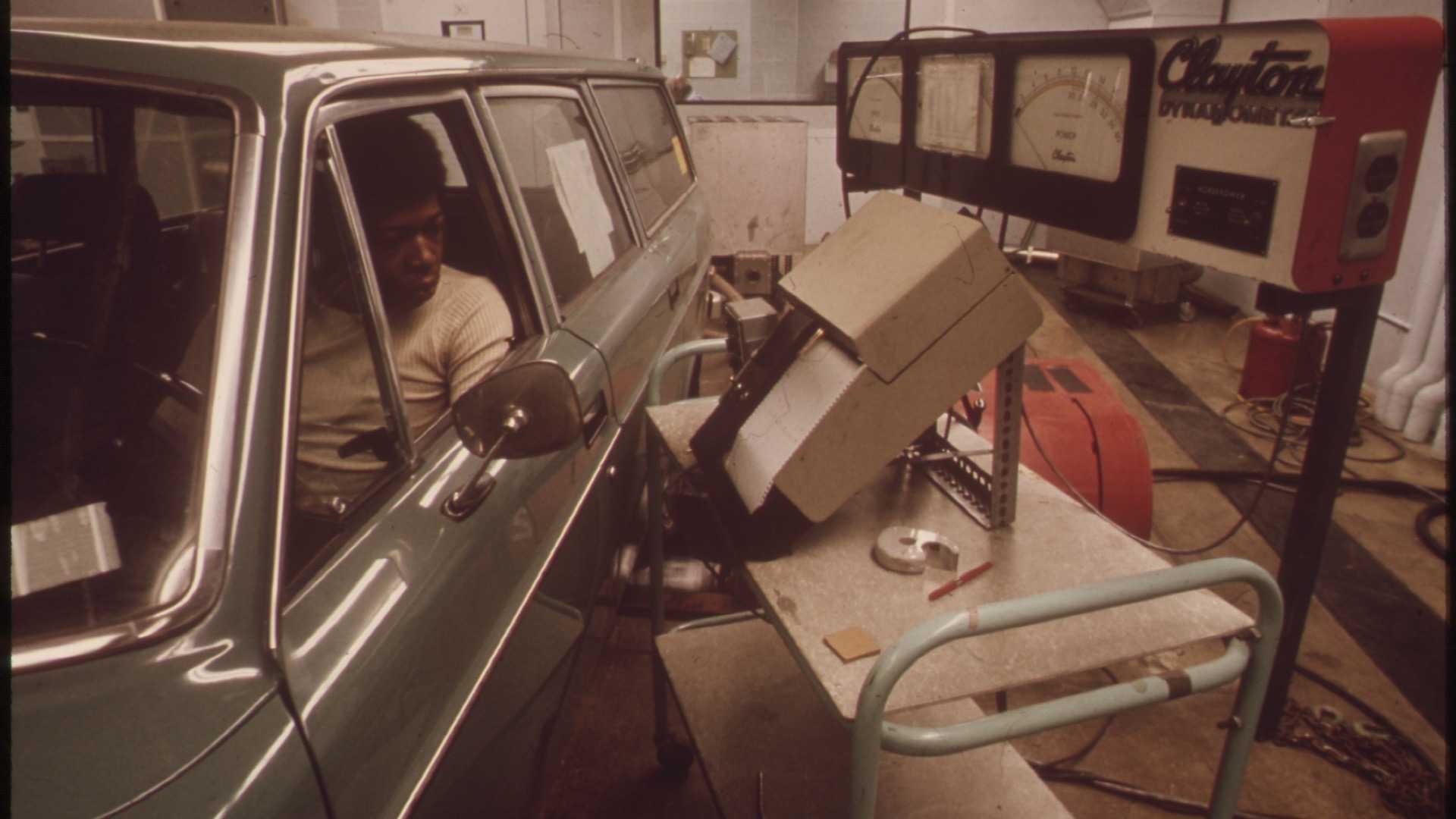
But, when the engine's ECU adjusted the engine's parameters for maximum fuel range, not even the advanced SCR process could stop an illegal amount of harmful NOx gases from being emitted.
The fall-out was immediate, and immense. The mighty VW public relations machine initially denied that such a cheat device existed, but it would later be revealed that many senior management members knew about the cheat device installed in its TDI cars. The company faced billions of dollars in fines and lawsuits.
But the monetary damage was the relatively easy part. It was the damage to the Volkswagen brand and specifically the TDI engine's reputation that was more damaging than anything else. In 2016, Volkswagen withdrew all TDI models from the US market. To be fair, it was not one of the German company's finest moments, and it continues to haunt the company to this day. VW's erroneous ways soon lead to even more diesel misery in the passenger car segment.
The Last Diesel Hoorah
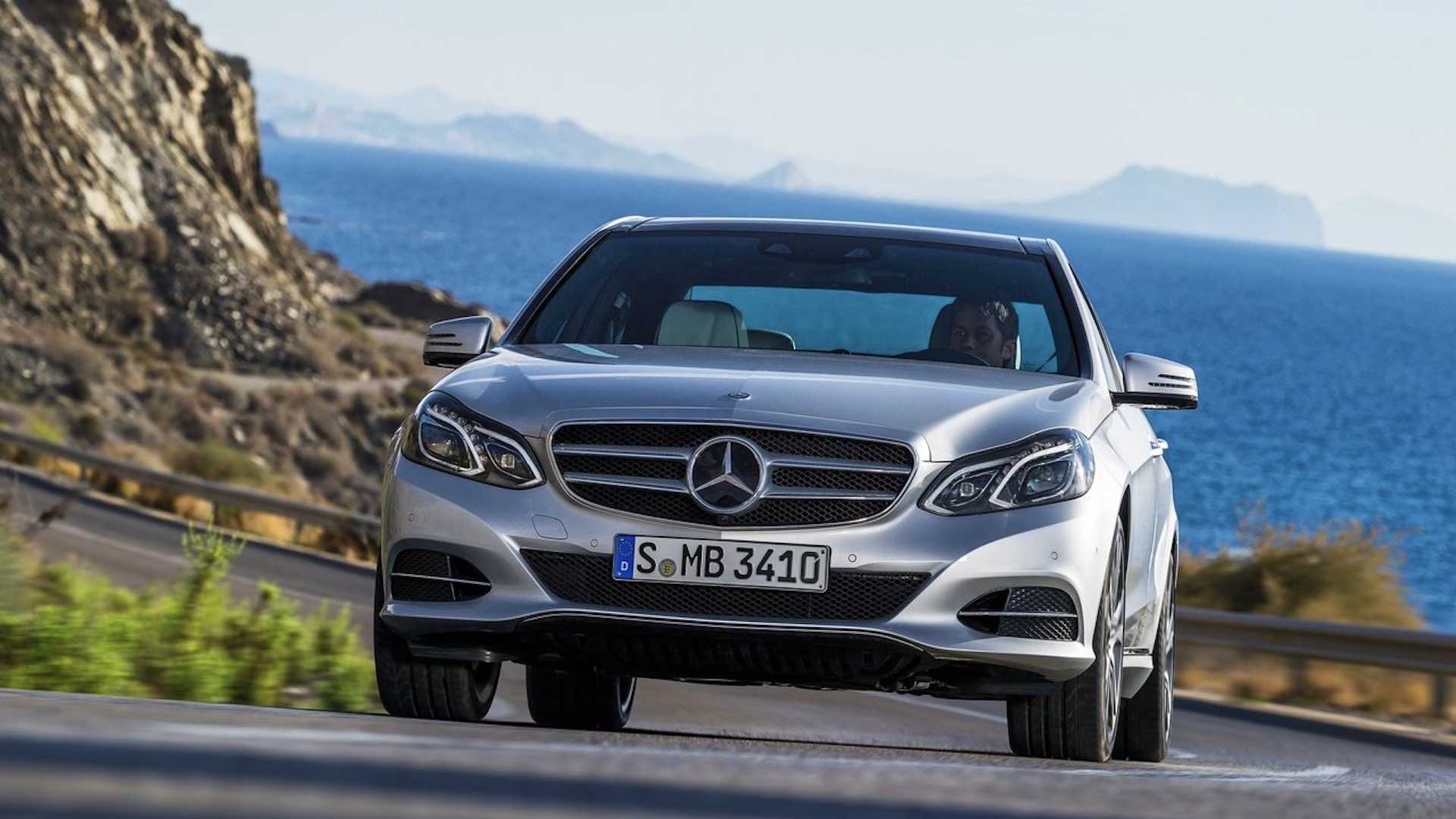
With Volkswagen departing the US market in 2016 under a cloud of controversy, a few other companies clung onto the turbocharged diesel engine dream for their passenger cars. Fellow German manufacturers BMW and Mercedes-Benz continued to offer turbocharged diesel engines in their line-ups until 2018. In 2020, Mercedes-Benz also ended up on the target sites of US state legislators, facing several lawsuits. Most recently, the company settled a $350 million lawsuit late in 2025.
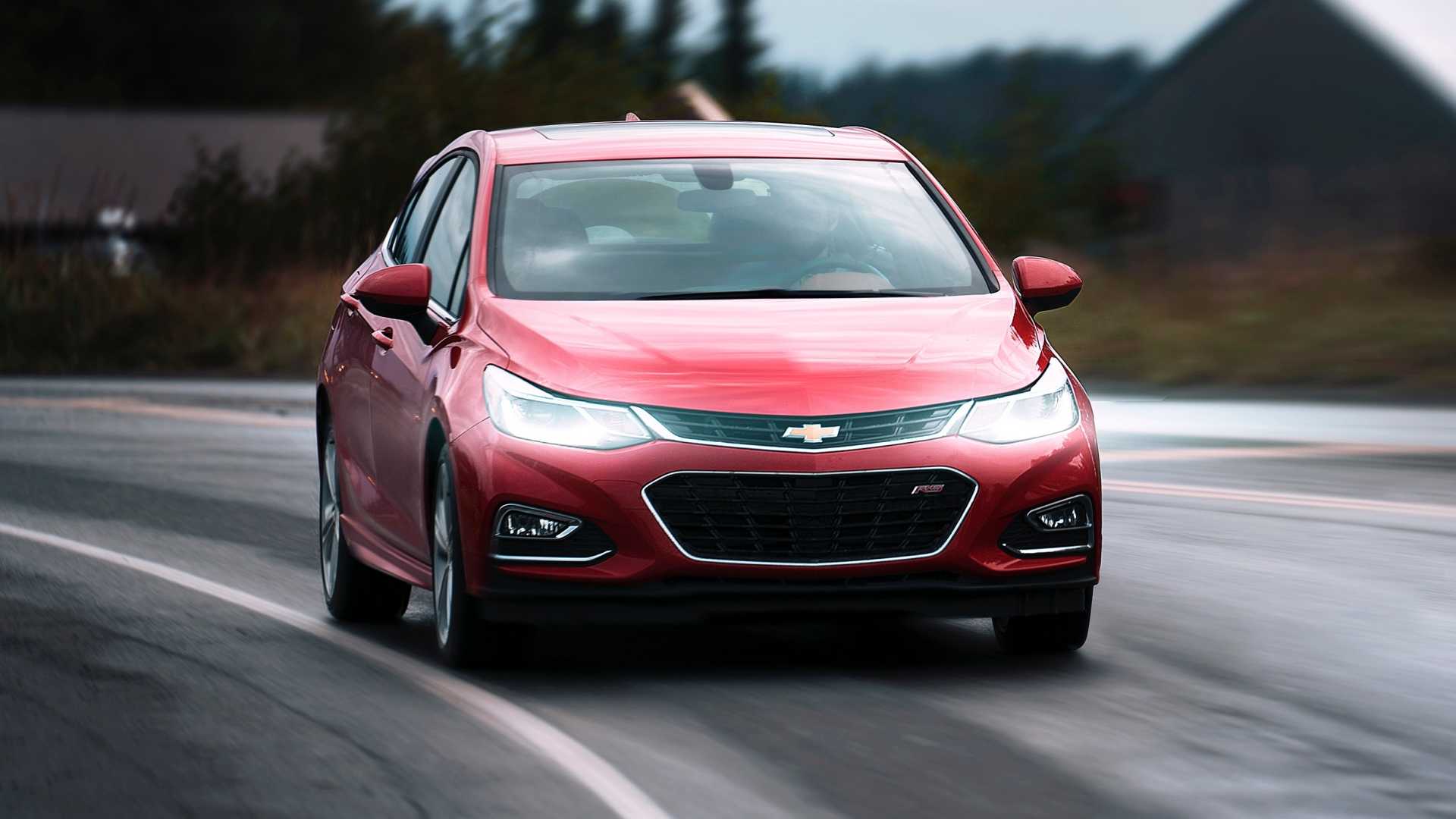
In a slightly ironic twist, the last turbocharged diesel passenger on sale in the USA did not hail from Europe, but from the US of A. Enter the 2018 Chevrolet Cruze Diesel Hatchback. The diesel-powered Cruze went on sale in the USA in 2018, but with all the diesel shenanigans that preceded its introduction, it was, truth be told, pretty much doomed from day one.
It was powered by a 1.6-liter turbocharged four-cylinder diesel engine hailing from General Motors' Opel parts bin, all the way from Europe. With 137 hp and 240 lb-ft of torque in the game, the Cruze TD hatch offered lively performance, sprinting to 60 mph in just 8.4 seconds. At the same time, it boasted a combined fuel consumption of 38 MPG. It was available with a six-speed manual gearbox or nine-speed automatic gearbox.
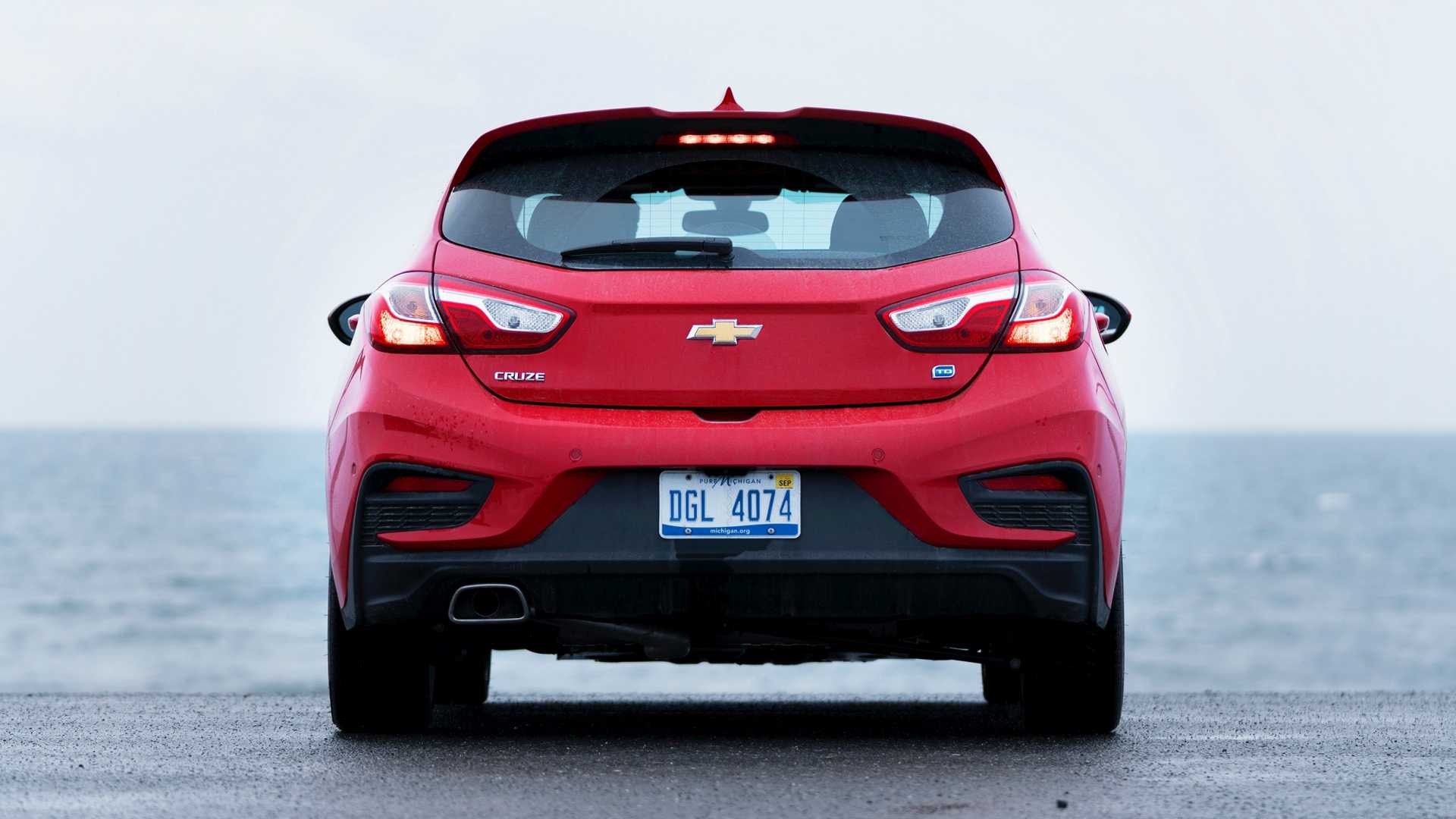
By 2018, American consumers' appetite for turbocharged diesel cars had waned considerably. Road test reports that called the Cruze 'competent but without inspiration' didn't help either. In its 2018 driving impression of the Cruze Diesel Hatchback, Car and Driver magazine prophetically stated that if readers wanted a last piece of the diesel passenger pie, this Chevrolet was it.
And so, at the beginning of 2019, with unsold Cruze Diesels clogging up parking lots at Chevrolet dealerships across the States, the company pulled the plug on the model.
Today, Chevrolet no longer sells any saloons in the USA, and the only hatch will be the upcoming Chevrolet Bolt electric vehicle. And while turbocharged diesel passenger cars continue to sell in numerous markets around the world, USA consumers have moved on to other, bigger and better forms of propulsion.
Sources:Volkswagen, Chevrolet, Chevrolet Bolt.



Post a Comment for "Volkswagen's turbodiesel Passat was the most efficient of its kind ever sold in the USA"