
BMW: An abridged history of Munich's most notable automaker
BMW's impact on human transit can't be overstated. One of the world's largest automakers, the BMW Group now controls multiple brands spanning a multibillion-dollar empire. Things weren't always so complicated, though. From its beginnings as an airplane manufacturer to the maker of high-class luxury and performance cars, this guide will serve as a primer in the history of Bayerische Motoren Werke.
The Pre-War Years
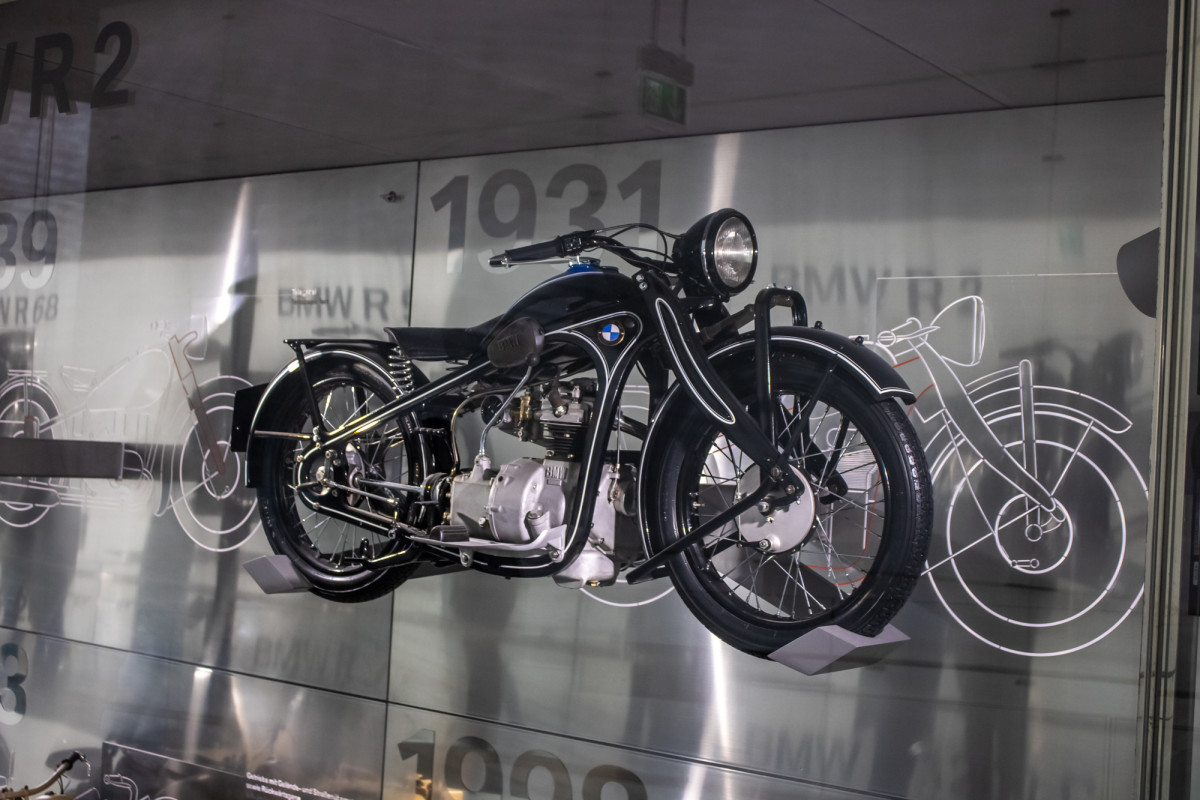
BMW was founded on March 7, 1916, when an aircraft producer began doing just that. Bayerische Flugzeugwerke didn't quite roll off the tongue like Bayerische Motoren Werke (BMW), though, and so the brand changed its name to the one we know today in 1922. That name itself, though, has a separate history, dating back to the old Rapp Motorenwerke, which changed its name to BMW.
The brand, of course, went on to produce aircraft as the initial name suggests. Its first straight-six ever, in fact, was for an aircraft. Following the close of WWI, BMW was able to keep the lights on by making a variety of items. Something of a general manufacturer, the brand made everything from motorcycle engines to farm equipment to household items.
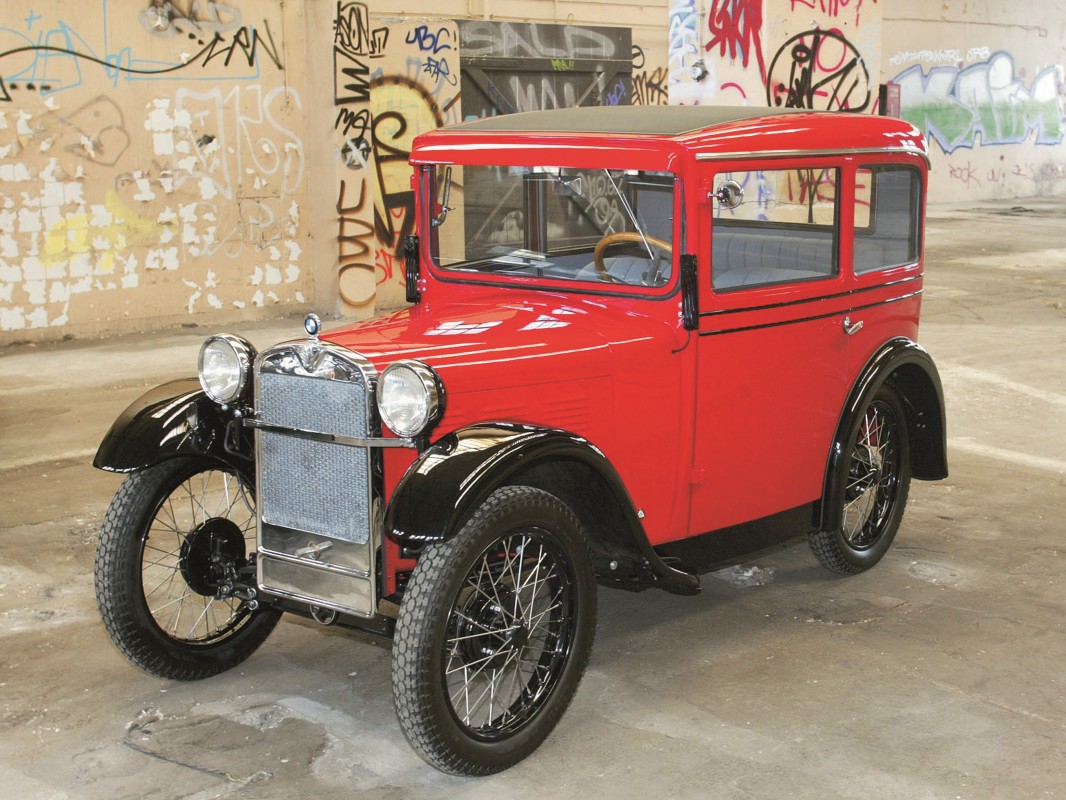
Cars didn't come along until a few years later, when BMW bought Fahrzeugfabrik Eisenach, which built British Austin Sevens under licence. BMW's first car was actually a rebadge, a Dixi called the BMW 3/15 (pictured above). Other big firsts included the brand's novel BMW R32 motorcycle, featuring an integrated gearbox with recirculating lubrication and an air-cooled design.
On into the 1930s, BMW would become known for producing airplane engines, motorcycles, and cars until the Second World War.
BMW's darkest era: WWII and the Post-War years
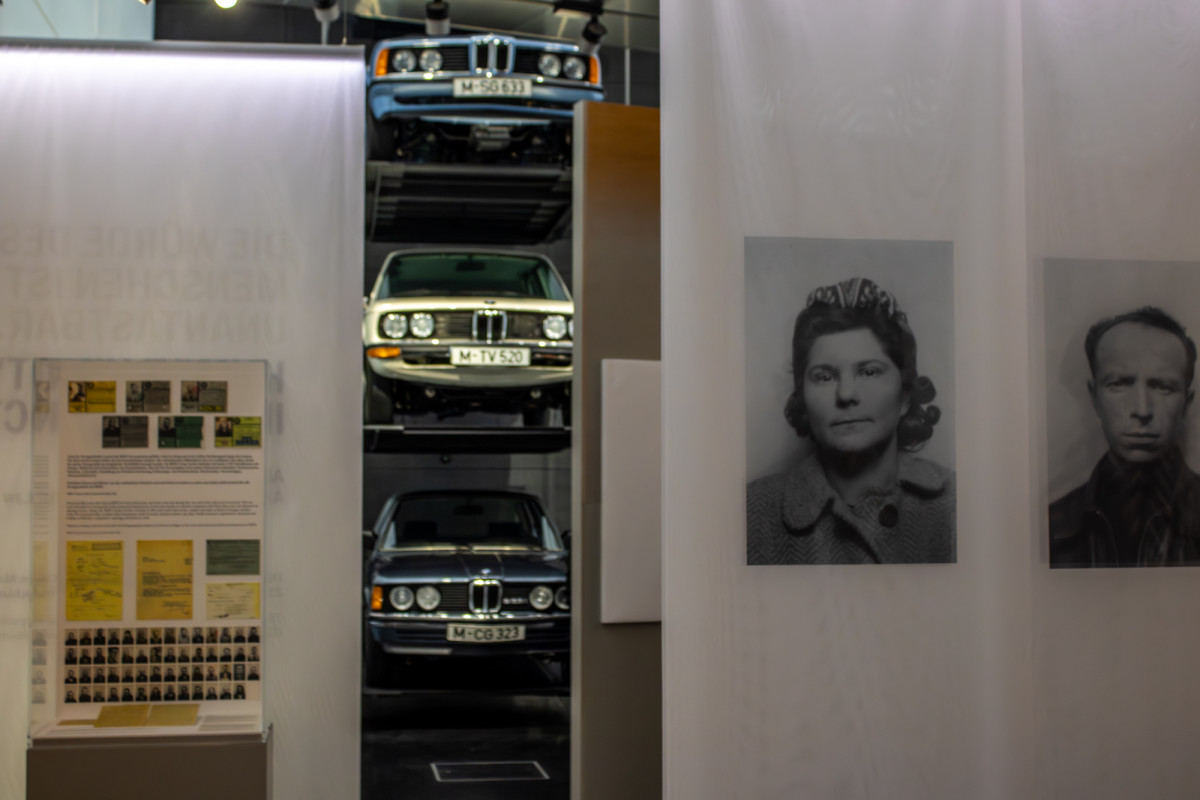
In BMW's own words, it aided the National Socialist regime that rose to power out of decades of economic hardship brought on by the Treaty of Versailles following Germany's defeat in World War I: "Under the National Socialists, BMW turned from a mobility company into an armaments manufacturer and became a key player in Germany’s war economy. Production of motorcycles and cars continued, but the lion’s share of revenues was generated by aero-engines. As the country armed itself, BMW set up new plants and ramped up production significantly."
The brand needed people to staff its factories, as did so many other German automakers still in business today, from BMW to Mercedes-Benz, to Porsche, and more. Germany had an ample supply. From prisoners of war to persecuted minority groups like Jews and more, BMW staffed its factories with forced labor. Now, the brand attempts to make amends, making reparations and working to acknowledge this dark chapter in its history. Of Mercedes-Benz, itself, and Porsche, BMW's exhibit on these horrors is by far the most comprehensive. The brand provides a decent primer on this part of its history, which you can read here.
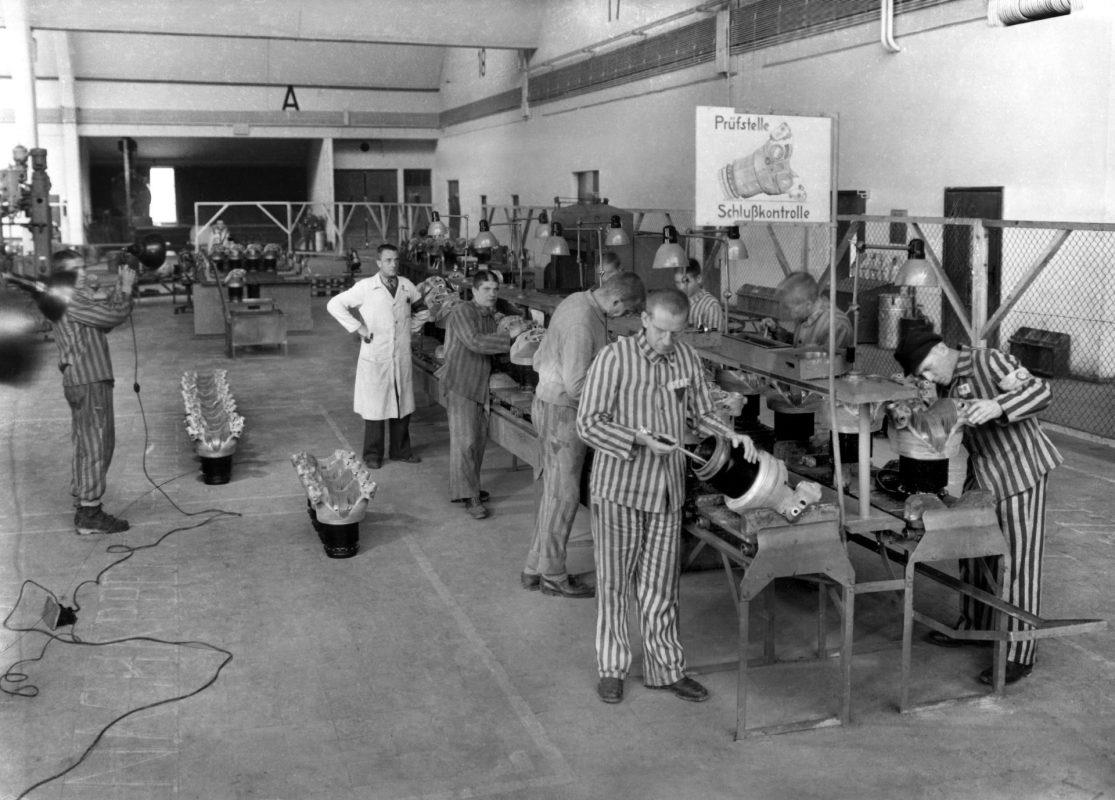
Postwar changes marked a period of expansion for BMW, but the first few years were lean. The Allied war machine bombed BMW's factories, and its ability to produce much of anything was deservedly hampered following the end of the war. It turned to an old strategy, producing pots, pans, bicycles, and just about anything to turn a profit. Motorcycle production started again in 1948, with cars following in 1952 with the 501.
It was the brand's first real era of expansion since the end of the war, and iconic models like the Isetta followed through 1955. However, another downturn in its luxury car and motorcycle department put the brand in trouble. In 1959, BMW was nearly absorbed by neighboring Mercedes-Benz. Herbert Quandt and Harald Quandt acquired a controlling interest in BMW instead, largely based on the sales prospects of the upcoming BMW 700. The bet paid off.
BMW in the modern era
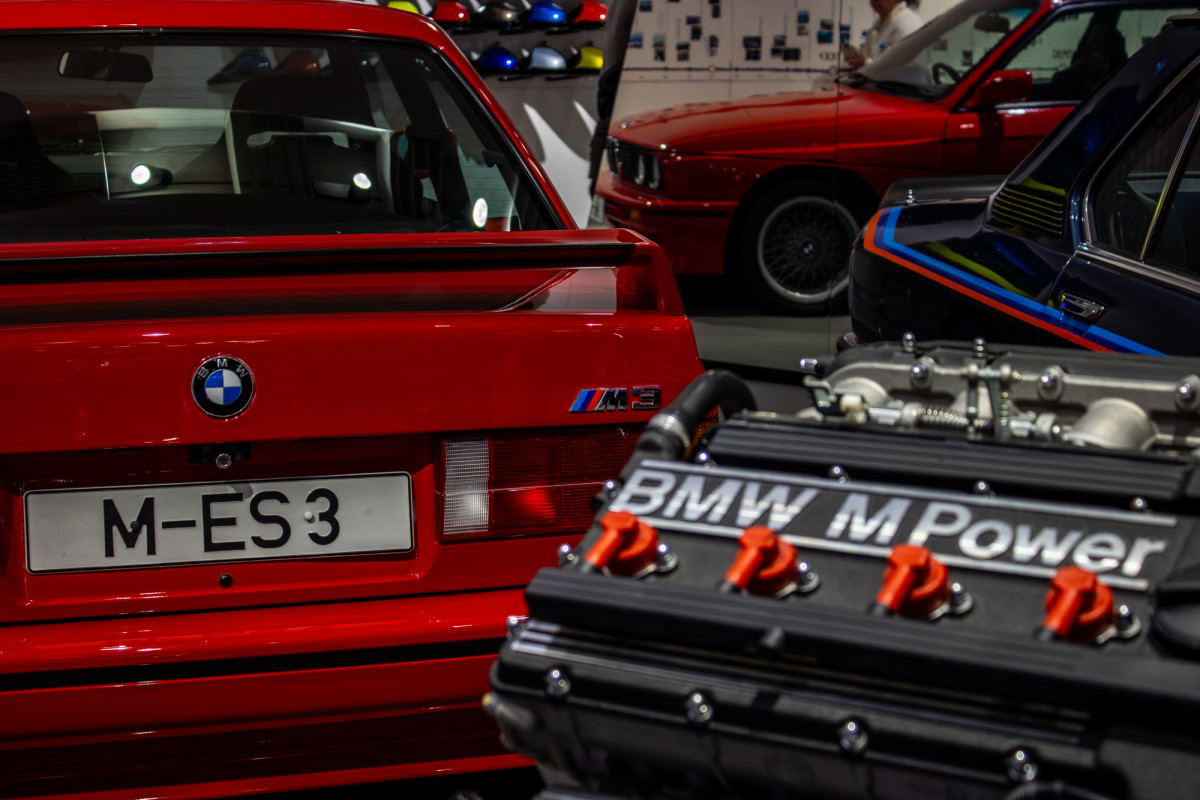
Recovering from decades of uncertainty, plagued by its Nazi past, BMW looked to the future using a format we now know to be a familiar one. In 1962, the brand's first Neue Klasse, or New Class, compact sedans debuted. These were hugely successful, with nameplates like the famed 3 Series and 2002 spawning from the original Neue Klasse. The 5 Series range arrived in 1972, the 3 Series in 1975, and the famed M division in 1978.
The 1970s were a massively successful decade at BMW, thanks largely to these three items. Here, the brand's reputation for sporty luxury cars was solidified. The 3 Series has gone on to become an icon, and the same can easily be said of the 5, 7, and 8 Series models introduced during the decade.
Today, the brand continues to evolve. Its first hybrid debuted in 2010, the i3, its first EV, followed in 2013. The brand continues to transition towards electrified vehicles, largely in response to our worsening climate and the regulations imposed by the European Union and other nations as a result.



Post a Comment for "BMW: An abridged history of Munich's most notable automaker"