
As Trump grapples with Iran objectives, constant warfare is good for Netanyahu
As Trump Grapples With Iran Objectives, Constant Warfare Is Good for Netanyahu
Despite early victories, Trump still faces mounting challenges – from shaky congressional backing to soaring oil prices and Iran's lingering nuclear threat
March 09th, 06AM March 09th, 20PMHis unusual decision to go to war with Iran requires U.S. President Donald Trump to overcome three key obstacles – opposition from Congress, which sought to force him to obtain congressional backing for the war; the impact of the fighting on global energy markets (and perhaps directly on American consumers down the road); and the need to prove that he has successfully dealt with the Iranian nuclear threat, which was his main motive for going to war.
Trump has successfully passed the first hurdle; despite significant opposition to the war among the American public, Congress didn't manage to place any significant restrictions on the war's continuation. But the other two problems, which may well affect his decision as to how long to keep fighting, remain.
The global oil market is nervous about Iran's announcement that it closed the Strait of Hormuz, and also by an Israeli airstrike Saturday night that, for the first time, targeted an oil facility near Tehran (photos of enormous pillars of smoke towering over the Iranian capital have already become one of the strongest visual images of the war).
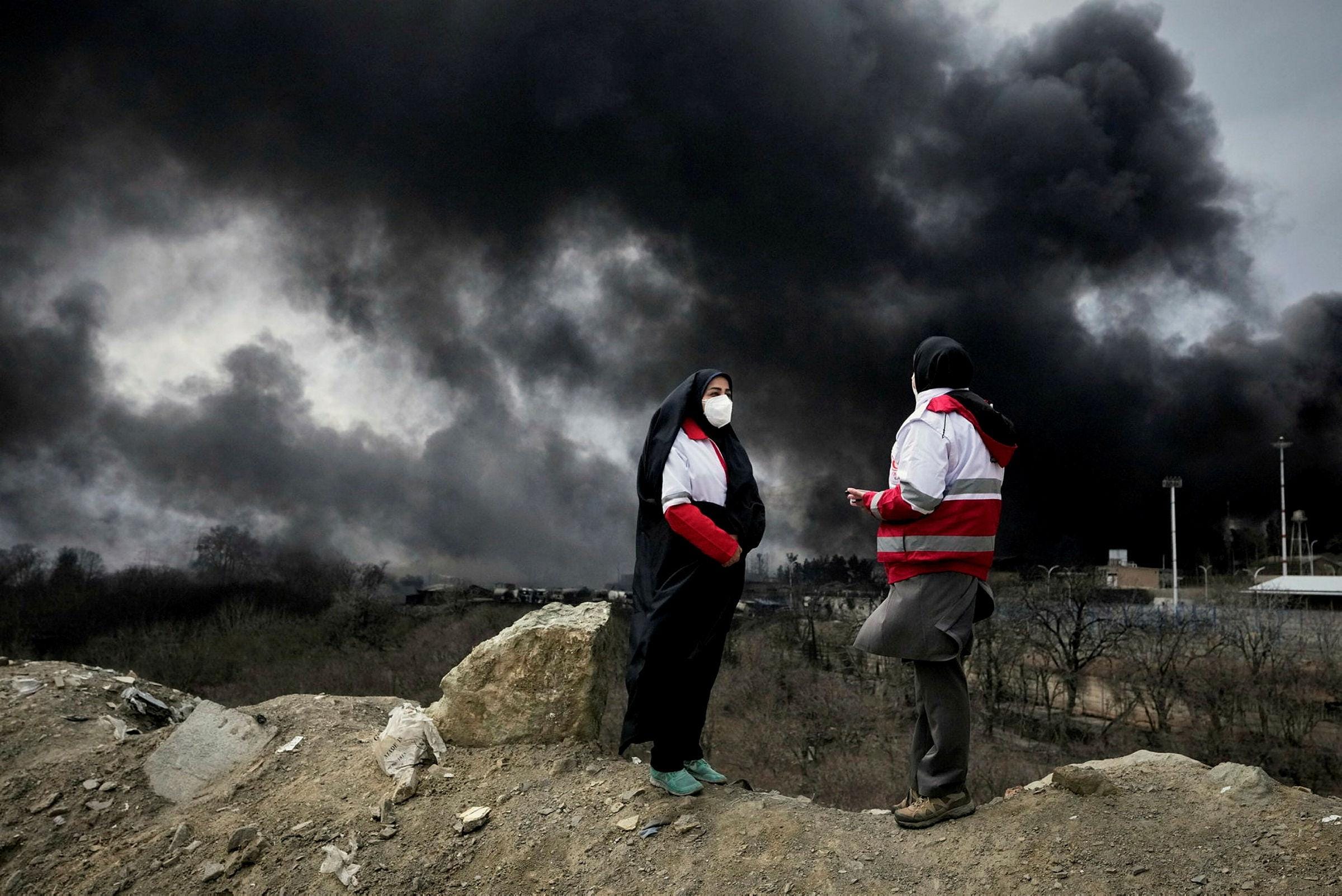
The price of oil has jumped from between $60 and $70 a barrel to around $90, and some forecasters see it going as high as $150. The difficulty in shipping oil from the Gulf is causing concern, and this difficulty, combined with the problems of storage, is forcing the Gulf's oil producers to cut production. Iraq, Kuwait and the United Arab Emirates have already done so; Qatar announced it would consider following suit within the coming week.
The nuclear program poses a different problem. After the last war with Iran, in June 2025, Trump boasted of destroying its nuclear program, while Prime Minister Benjamin Netanyahu claimed that an existential threat had been removed from Israel. The truth was otherwise.
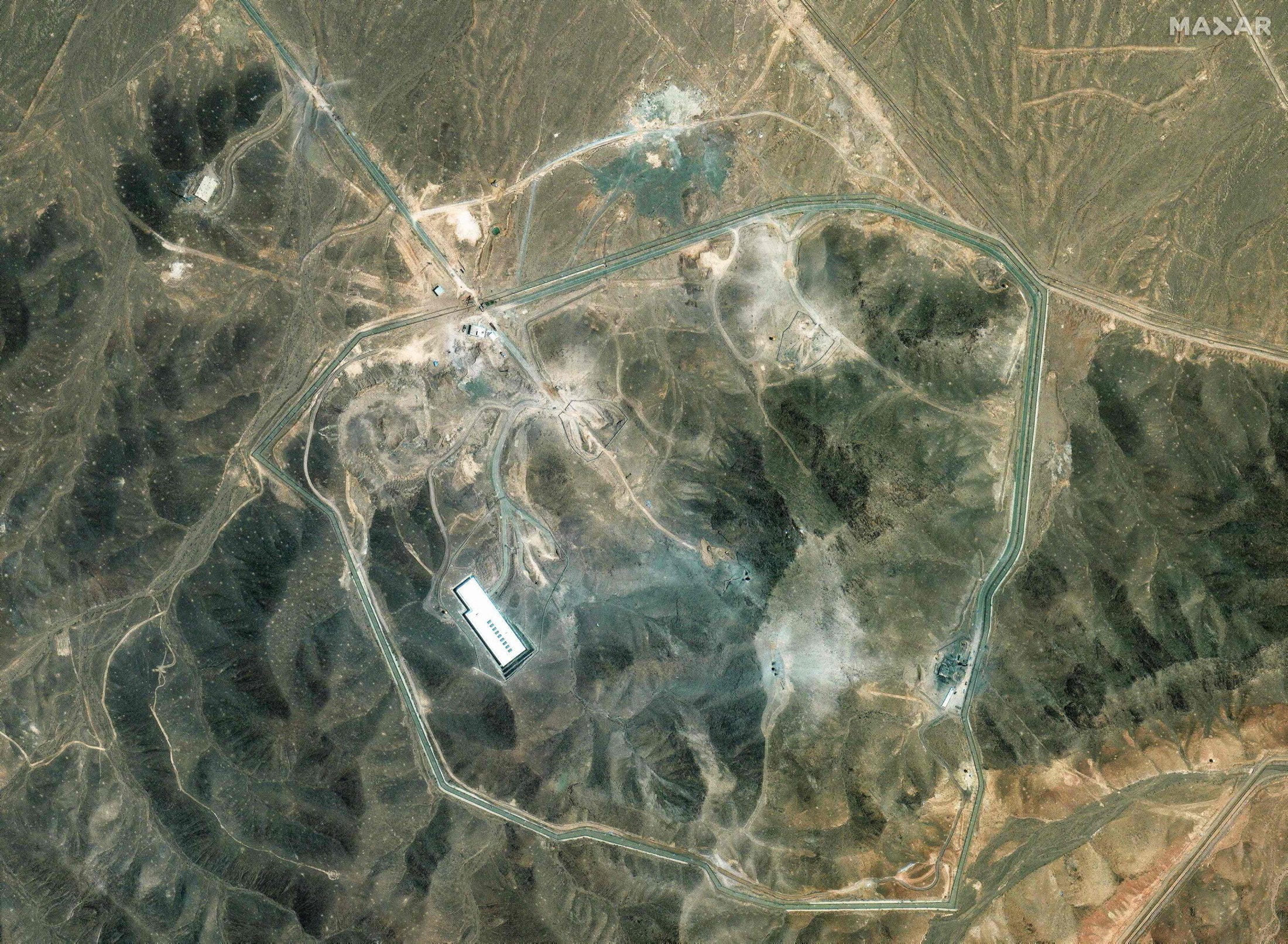
The American attack on the underground facility at Fordow did indeed cause heavy damage, as did Israel's bombing of the Natanz and Isfahan facilities. But last year's war didn't resolve the biggest threat – Iran's stockpile of almost 450 kilograms of highly enriched (60 percent) uranium. Over the last few days, the U.S. media have been reporting that a ground operation is being considered to deal with that material, most of which is at Isfahan.
The nuclear program could create a dramatic problem for Trump if the Iranian regime remains in place, since if it does, those of its leaders who survive the war would have an incentive to accelerate the program and even make a primitive nuclear bomb to rebuild their deterrence against America and Israel. But beyond stressing the need to deal with the nuclear program, Trump hasn't said what he plans to do.
The targets
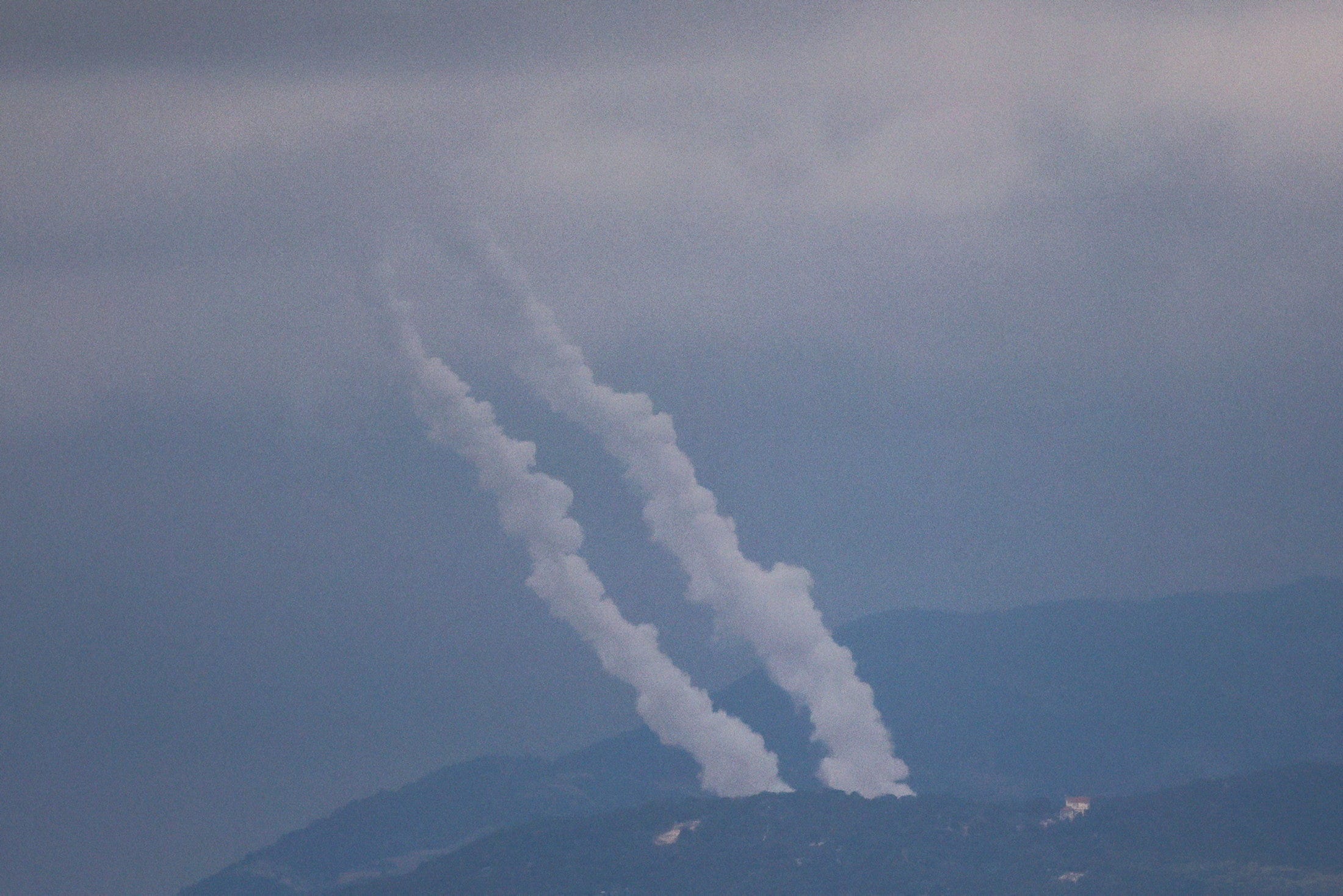
Iran continued launching a handful of missiles roughly every two hours at central and northern Israel on Sunday. Seven people were wounded by missile fire in the center of the country, one of them seriously. Additionally, Hezbollah conducted frequent drone launches at the Galilee.
Nevertheless, the biggest damage the bombing has caused over the last few days is to morale. It has succeeded in disrupting the lives of millions of Israelis by requiring them to go to bomb shelters every few hours. The decision to reopen the economy, jointly made by the Finance Ministry and the IDF Home Front Command, reflects a degree of disconnect from the daily troubles of a significant proportion of Israelis.
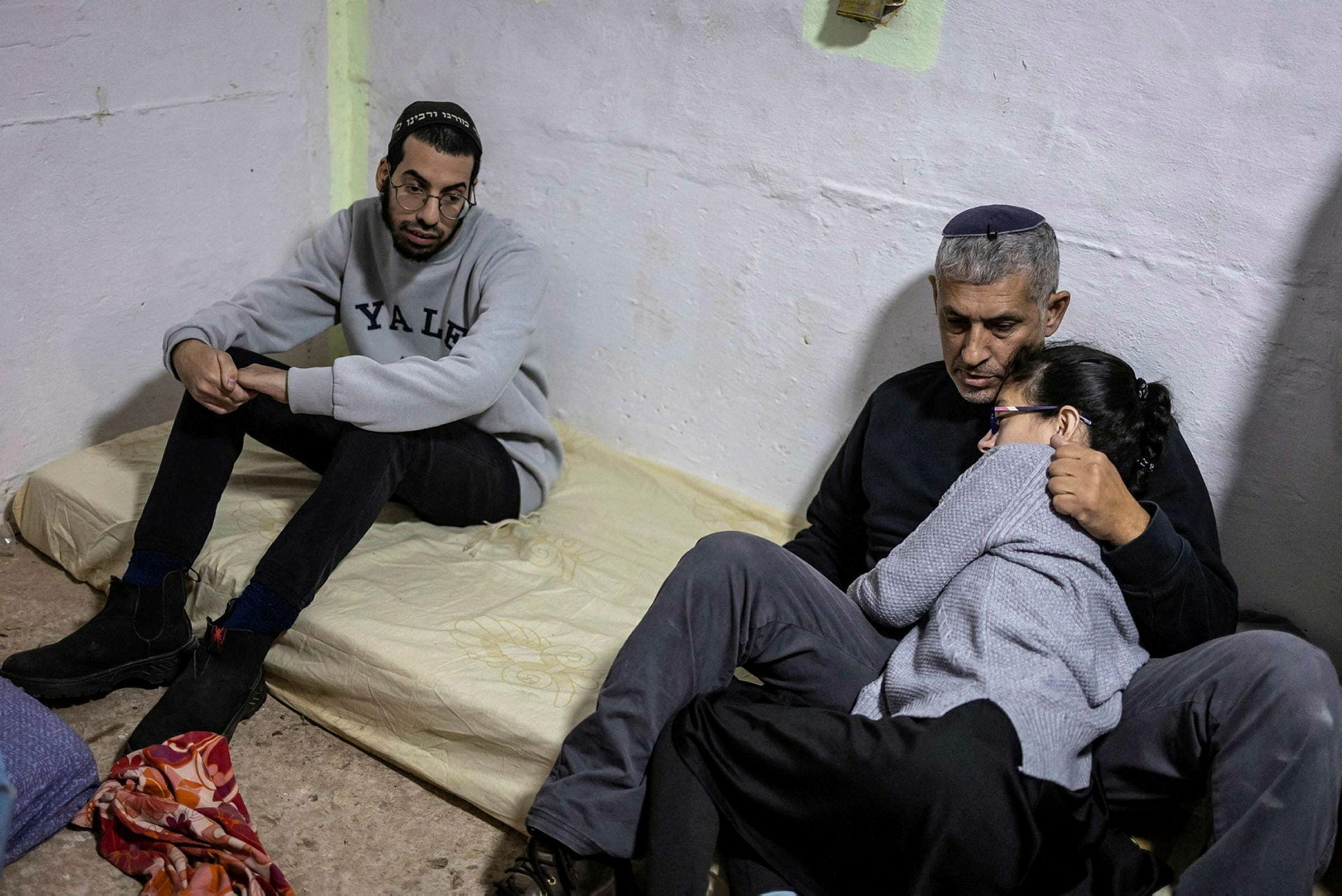
Families with young children in particular find it hard to maneuver between caring for their kids and going to work. The fact that diehard government supporters are taunting them by calling them "crybabies" merely strengthens the impression that Israel's decision makers are indeed insensitive to the burdens the prolonged war is imposing on ordinary people.
The Wall Street Journal reported on Sunday that the Iranian regime's Basij militia is still deployed in the streets of Tehran, erecting surprise checkpoints and searching cars in an effort to seize satellite dishes and weapons. In contrast, given the bombing of civilian police stations and attacks on the homes of senior regime officials, many regular policemen prefer to sleep in their cars to reduce risk.
On Sunday, the Israel Defense Forces issued a direct threat to attack members of Iran's Assembly of Experts, which said on Sunday they have reached a consensus on choosing Iran's next supreme leader.
In addition to oil facilities, airstrikes continue to target the Basij, the police and the Revolutionary Guards. The war's planners evidently hope that damaging the forces of brutal repression that have kept the regime alive in recent years, including by viciously suppressing massive demonstrations in January, will lead to the regime's collapse, or at least to the signing of a new nuclear deal that would comply with Washington's far-reaching demands. Trump said this weekend that he expects an unconditional Iranian surrender and doesn't intend to compromise.
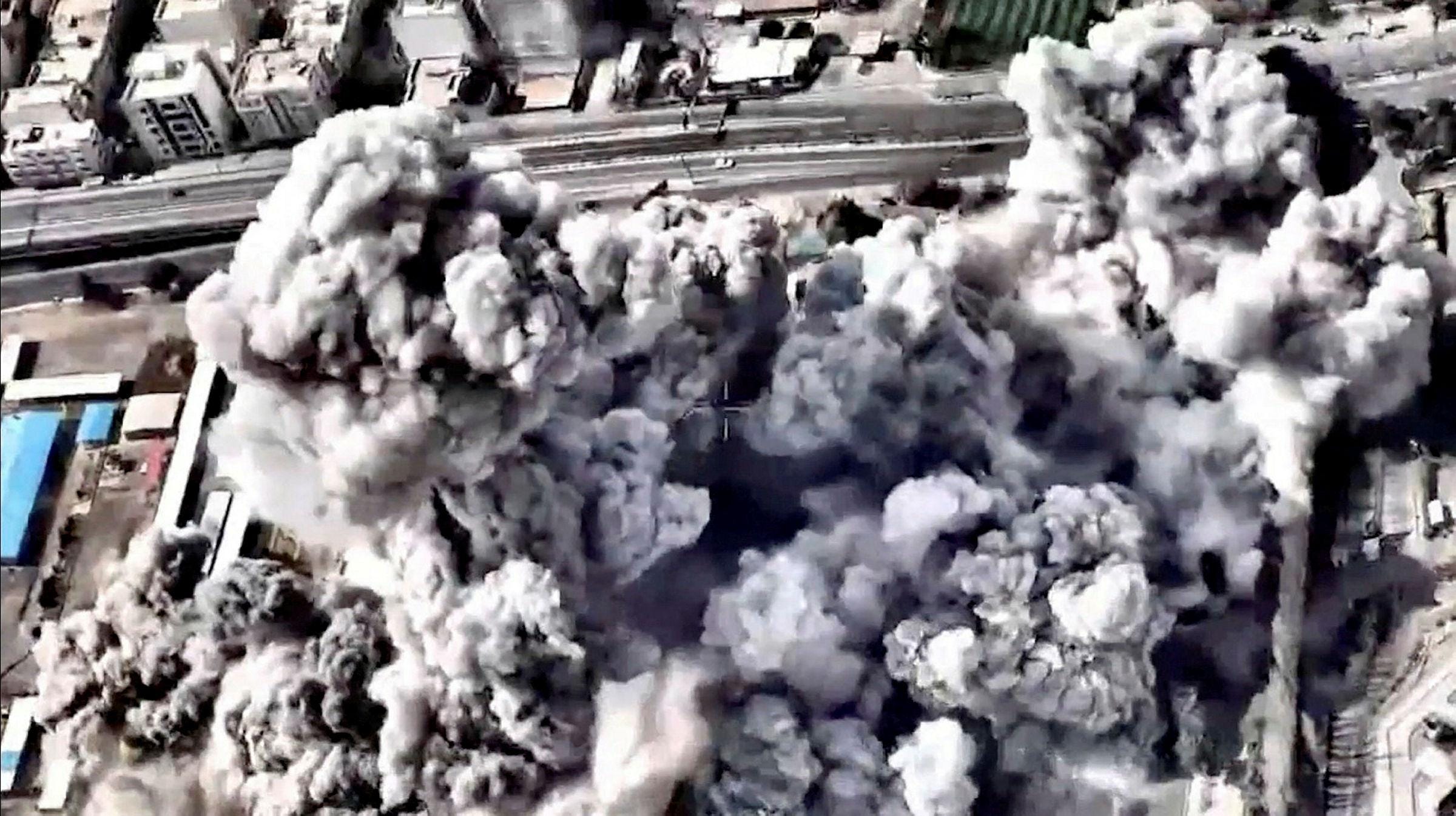
Neither America nor Israel have released detailed information about the success of their attacks, saying they don't want to give the enemy useful information. But the IDF's previous operational successes in Iran and Lebanon during the war that began with Hamas' massacre in southern Israel on October 7, 2023 provide indications about what it can achieve this time, in a much larger war (which the Iranians are also trying to expand to the Gulf states). This is amplified by a constant improvement in American capabilities, which haven't been publicly displayed in a long time.
Nevertheless, the big problem remains – the difficulty of leveraging military achievements into a comprehensive process that would topple the regime. The New York Times reported that an intelligence assessment submitted to the Trump administration before the war began said the chances of toppling the regime in this way were small. The paper also said this weekend that roughly half the ballistic missiles and drones in Iran's arsenal when the war began have yet to be destroyed.
Warrior identity
Part of Israel's attention has been diverted in recent days from Iran to Lebanon. On Sunday, two soldiers from a combat engineering battalion were killed by Hezbollah fire in southern Lebanon. They were the first soldiers killed since the war with Iran began on February 28.
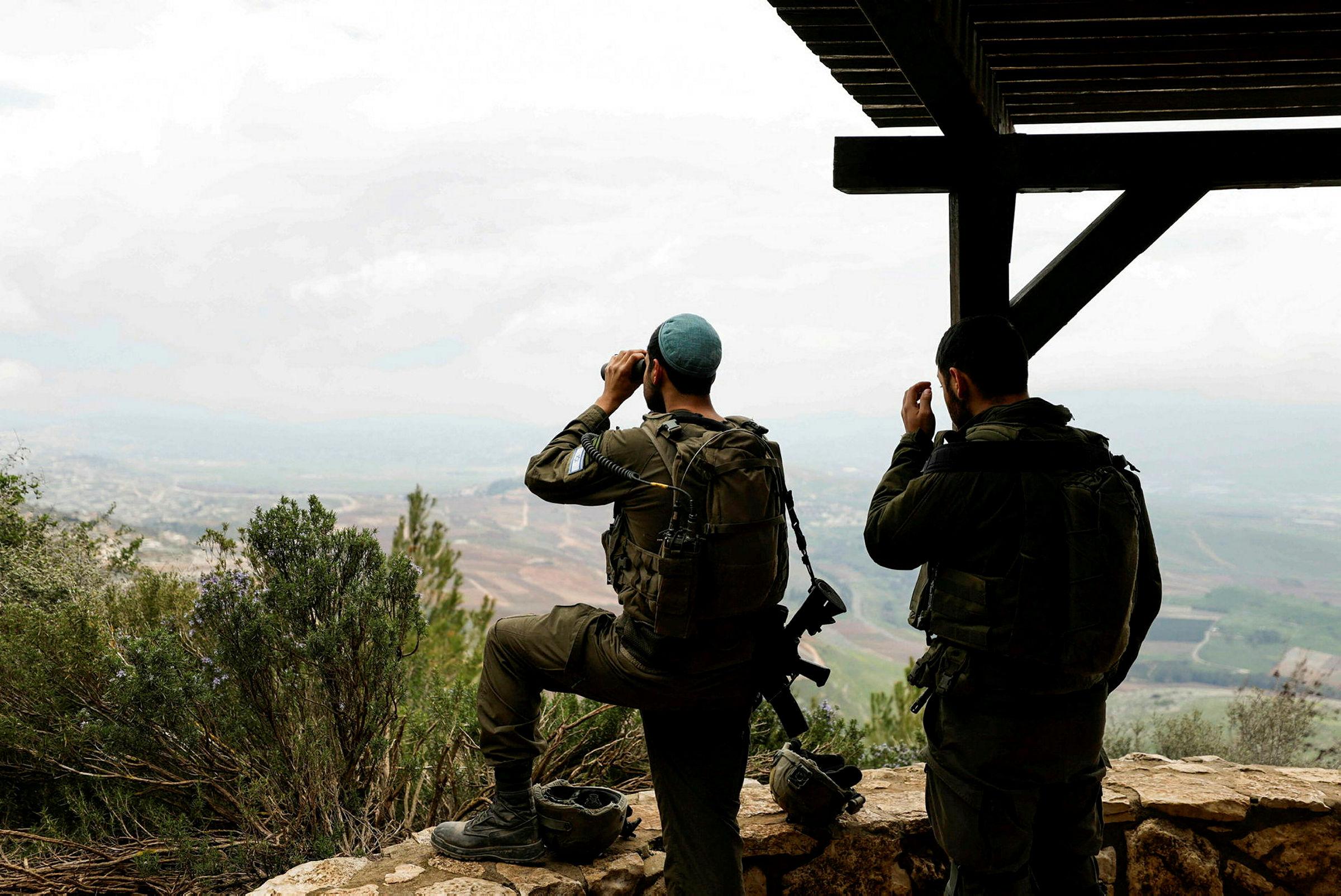
In addition to firing drones and rockets at Israel, Hezbollah has focused on trying to attack the soldiers sent into the IDF's recently expanded security zone in southern Lebanon. An initial army inquiry found that the two died when an anti-tank rocket or mortar bomb hit their bulldozer, which was helping to extricate a tank that had gotten stuck.
Soldiers were deployed in southern Lebanon to provide protection for residents near the border by serving as a buffer between those communities and Hezbollah. That was deemed necessary because Hezbollah had moved part of its commando unit, Radwan, south of the Litani River.
The IDF says that since the war began, there appears to be a growing disconnect between the Iranian leadership and Hezbollah due to the American and Israeli strikes on the former. Consequently, Hezbollah is being forced to fight its war almost entirely on its own. This past week, according to the IDF, more than 200 Hezbollah members have been killed.
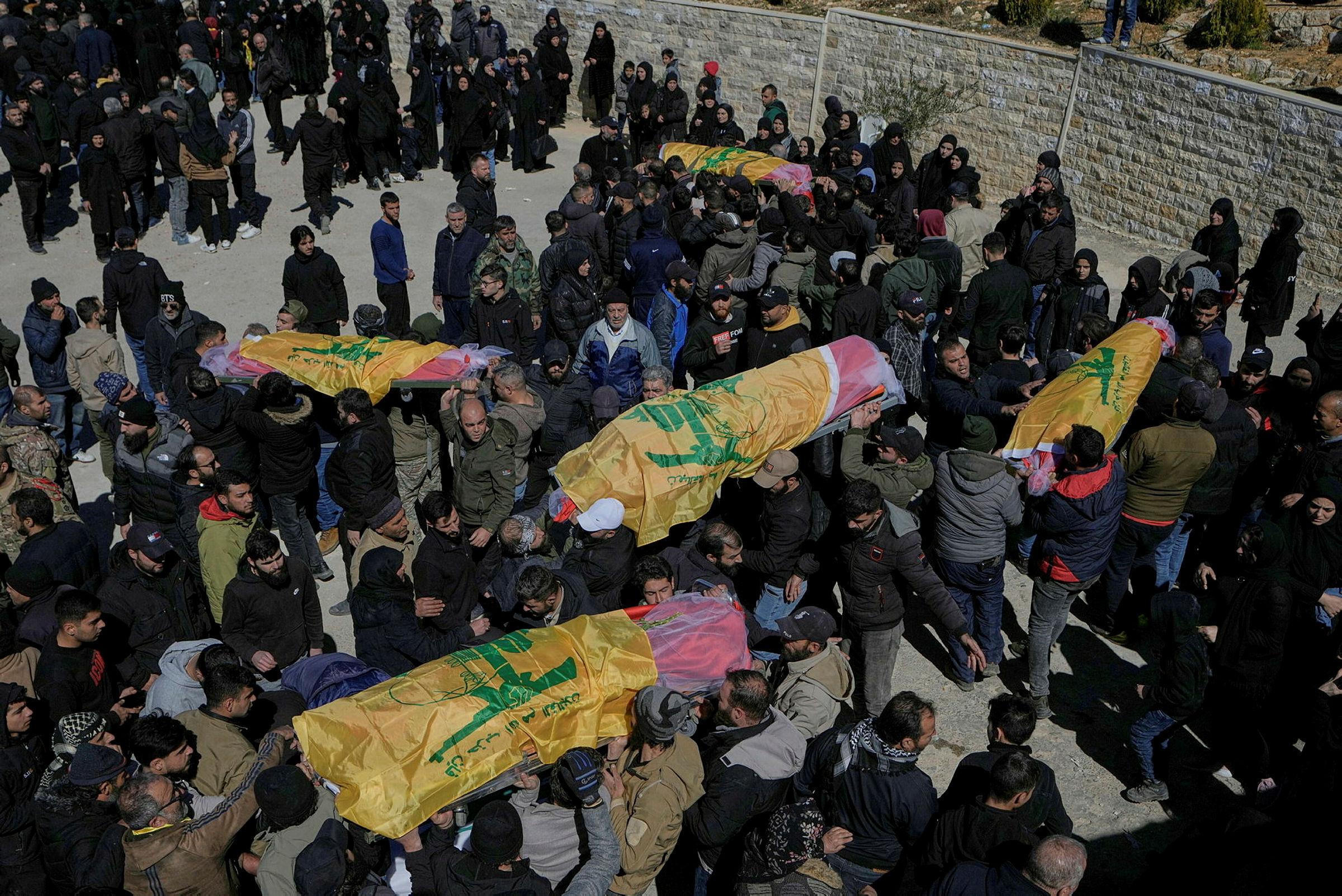
This is the first time Hezbollah has engaged in open conflict with the IDF since a cease-fire was signed in Lebanon in November 2024, ending the previous round of fighting between the sides. Until the war with Iran began, Hezbollah had chosen not to respond to repeated Israeli attacks in Lebanon. Now, it has resumed fighting in full force, even though its military capabilities are less than they were during the last war.
At this point in the war, there is still a relatively broad public consensus in Israel supporting its goals. Only time will tell whether it's possible to end the war with Iran by forcing regime change.
But it's also worth paying attention to what is happening in Lebanon, which is seen as a secondary theater. Before the current war with Iran erupted, Israel was at the height of a joint effort with America (and, to a large extent, Lebanon's government) to weaken Hezbollah, in the hope of disarming it of at least some of its weapons. Now the IDF has launched an offensive that has included expanding the territory it controls in Lebanon and stepping up its airstrikes on Hezbollah targets.
The primary reason given for this is to protect northern residents and prevent a large-scale invasion similar to what Hamas carried out on October 7. But with the current government being what it is, it's hard to ignore suspicions that there are ulterior considerations.
A prolonged IDF offensive against Hezbollah would actually give it an opportunity to return to its familiar excuse that it is only defending Lebanon against foreign occupiers. That would ensure ongoing military friction, which isn't bad for Netanyahu's interests.
A few months ago, Netanyahu described Israel as a modern Sparta. But to preserve its militarist identity, a Sparta requires permanent military friction – of a kind that would also enable its ruler to remain in power – regardless of the price it exacts from the country.



Post a Comment for "As Trump grapples with Iran objectives, constant warfare is good for Netanyahu"